
Imagine a beautiful and complete smile in one day!
With the remarkable All-on-4®1 method of care, our office can help patients who either already lost or are scheduled to have all of their upper and/or lower teeth extracted quickly rebuild their smiles to speak, smile, and eat with renewed confidence and ease!
Why wait any longer to enjoy the benefits of a complete smile?
First Performed by Dr. Paulo Malo in 1998, the All-on-4 treatment concept has helped hundreds of thousands of patients reestablish attractive smiles that look, feel, and function like their very own!
It's your turn to smile again.
The All-on-4 treatment concept offers:
- A long-lasting solution for rebuilding a complete, naturally beautiful & functional smile
- Freedom from the discomfort and instability of dentures
- Four strategically placed implants to securely support a full set of upper or lower teeth
- Immediate function with an initial set of provisional teeth.
Go home with a same-day smile!
Best of all, you never have to go without teeth! With the All-on-4 method of care, a fully functional set of temporary teeth is placed the same day as your procedure. This remarkable feature offers the added benefit of having an attractive and complete smile to share with the world until healing is complete and your permanent ones get placed.
And, there's even more good news
- Fewer Implants & Shorter treatment time
- Improves Your Appearance & Your Quality of Life
- A Cost-Effective Option in Care
With a patient satisfaction rate that exceeds 95%, the All-on-4 treatment concept restores your smile and allows you to once again enjoy the foods you love!
For skilled and experienced care you can trust, contact the office of Aarisha Dental. We offer the most advanced solutions to transform incomplete smiles into ones that look great, function well, and inspire confidence!
1All-on-4 is a registered trademark of Nobel Biocare
FAQs
+What is All-on-4?
The All-on-4 treatment concept offers an implant-based solution to patients who have lost all of their upper and/or lower teeth. This remarkable method of care helps patients quickly rebuild complete and beautiful smiles. With All-on-4, your new, and complete set of implant-supported replacement teeth feel secure, stable, and much like your very own.
+Is All-on-4 right for me?
If you currently wear complete upper and/or lower dentures or are slated to have your remaining teeth extracted, you may be a candidate for All-on-4. First Performed by Dr. Paulo Malo in 1998, the All-on-4 treatment concept has helped hundreds of thousands of patients quickly reestablish attractive smiles that look, feel, and function just like a set of natural teeth!
+What is the difference between All-on-4 and dentures?
The All-on-4 treatment concept offers a fixed and permanent alternative to removable dentures. Unlike dentures, All-on-4 does not rely on messy dental adhesives or natural suction to hold your new set of teeth in place. With All-on-4, your replacement teeth are permanently secured by dental implants, giving you a smile that looks not only great but also feels secure and stable. You'll feel comfortable and confident as you speak, smile, and chew with ease.
+How is All-on-4 different from other types of dental implants?
While traditional full arch implants also achieve outstanding results of care, the All-on-4 treatment concept does not involve bone grafting and requires fewer implants to support a full set of teeth. With just four strategically placed dental implants needed to support an entire set of upper or lower teeth, the All-on-4 treatment concept offers a cost-effective and satisfying solution for rebuilding a complete smile. Thanks to this remarkable method of care, patients can experience the satisfaction of having teeth placed the same day as surgery. This key feature allows patients to smile and function with confidence until healing is complete and the permanent restorations installed.
+What's the procedure for All-on-4 treatment?
Once it's been determined that you're a candidate for treatment with All-on-4, the process of treatment planning and designing your new smile begins. 3D diagnostic records provide the detailed information required to determine the exact positions of the four supporting dental implants. Then, on the day of surgery, we'll remove any remaining teeth, place the 4 implants, and insert a set of attractive, sturdy, and functional set of temporary teeth. With All-on-4, temporary teeth can be placed right away with a customized, permanent set to follow once the implants become fully integrated with the surrounding bone.
+Will I have teeth right away with All-on-4 treatment?
With All-on-4, temporary teeth can be placed right away with a customized, permanent set to follow within just a few months after the implants become fully integrated with the surrounding bone.
+Will All-on-4 give me a natural-looking smile?
Thanks to All-on-4, patients enjoy permanent teeth that look, feel, and function just like real teeth. And with a patient satisfaction rate that exceeds 95%, the All-on-4 treatment concept restores your smile, your confidence, and allows you to enjoy once again the foods you love!
+How do I take care of my new All-on-4 smile?
Maintaining your All-on-4 smile requires the same care as a natural smile. By cleaning your teeth twice daily, after meals as possible, and scheduling appointments for routine checkups as well as care, you can keep your new smile strong and healthy for years to come. Our office will demonstrate the most effective methods of oral hygiene and answer all your questions as to how to care for your new smile.
A high-tech alternative to traditional dentures, the ALL-On-6 technique creates a comfortable and stable full set of upper and/or lower teeth using six strategically placed specialized dental implants. While conventional removable dentures can effectively replace a full complement of lost or missing teeth, ALL-On-6 dental implants provide a fixed and permanent method of reestablishing a complete set of teeth. This restores patients with a sense of having their own teeth and offers an improved quality of life as they can once again eat and speak with confidence. With ALL-On-6 dental implants the need for messy denture adhesives or having to take one’s dentures out to clean and sanitize them is eliminated. The replacement teeth are cared for in very much the same way as a set of natural teeth.
All-On-6 dental implants offer a less invasive and quicker way to restore a full upper or lower set of teeth than treatment with conventional dental implants. Requiring just six implants per jaw for a complete set of functional teeth, All-On-6 treatment may reduce the need for preliminary bone grafting surgery. Utilizing the All-On-6 method, temporary teeth can often be placed right away with a permanent set to follow within just a few months after the implants become fully integrated with the surrounding bone.
In cases of periodontal disease, an osseous grafting procedure may be necessary to address the bony defects around a tooth that have been caused by the progression of periodontal disease. An osseous grafting procedure, which involves guided tissue regeneration, rebuilds the bone and supporting tissues that have been lost. During this surgical procedure, the roots of the involved teeth are thoroughly cleaned and the bony defects prepared and filled with a suitable bone graft material. The bone graft is then covered by special membrane and the gums are then sutured back into place. With healing and time the osseous graft will fill in for the lost bone, thereby providing renewed support for the tooth.
Cone-beam computed tomography systems are radiographic systems used by dental professionals to analyze and reconstruct 3D images of a patient’s teeth, jaws and surrounding anatomy. The information obtained by means of CBCT imaging is useful in both diagnosis and precise treatment planning when two-dimensional diagnostic films are insufficient. Dental CBCT is useful for multiple types of analyses as well as the assessment of maxillofacial disorders or pathology. It is also most useful in surgical planning, including the accurate placement of dental implants.
A beautiful, healthy smile not only contributes to a positive self-image, but it also helps to make a great first impression on everyone you meet. When you’re completely satisfied with the look of your smile, you’re likely to smile broadly and confidently more often.
If your teeth are stained, discolored, chipped, worn down, misshapen, a little gapped, or misaligned, you’re not alone. According to statistics, more than one-third of adults in the United States are dissatisfied with the appearance of their smiles. The good news is these days, you don’t have to be a movie star to have a vibrant and beautiful smile. Thanks to advances in cosmetic dentistry, less-than-perfect teeth can be completely transformed to produce a naturally beautiful looking smile.
Let us help you bring out the best in your smile!
At the office of Aarisha Dental, we offer a comprehensive range of state-of-the-art dental services and provide the highest level of personalized care. Our goal is to help every patient enjoy the benefits of an attractive smile. Whether you’re unhappy with the look of a single tooth, all your front teeth, or have unsightly gaps in your smile due to missing teeth, we can help.

Combining the art and science of dentistry
Even thousands of years ago, people were concerned about the health and appearance of their smiles. Viewing white teeth as a sign of wealth and beauty, the ancient Egyptians used small sticks to apply a mixture of ground pumice and wine vinegar to remove stains and whiten their teeth.
Today, we have the skills, technology, and materials to create smiles that are as beautiful as they are healthy. Thanks to developments in the field of cosmetic dentistry over the past 50 years, even the most challenging smiles can be transformed into ones that dazzle. At the office of Aarisha Dental, we offer state-of-the-art treatment along with an artistic eye and keen awareness of facial aesthetics to produce cosmetically pleasing smiles and long-lasting results of care.
You can rest assured your smile is in the best of hands with us. We value patient input and listen carefully to your interests and expectations of care. When it comes to cosmetic dentistry, there is no “one size fits all” solution. We recognize that every patient is unique and provide highly personalized treatments to enhance the look of your smile.
What Are Some Types Of Cosmetic Dental Procedures?
Cosmetic dental procedures range from treatments that are relatively quick and non-invasive procedures to more extensive ones based on a patient’s specific needs and expectations of care.
When staining, enamel defects, minor chips, small gaps, or slight misalignment are present, conservative and minimally invasive procedures such as cosmetic dental bonding, professional strength teeth whitening, and veneers can offer effective and highly satisfying ways to improve the look of your smile. Teeth with cavities, more extensive damage, or more significant cosmetic flaws, can be restored and rebuilt to achieve attractive, durable, and long-lasting results with tooth-colored fillings and natural-looking dental crowns.

Rebuilding a complete and beautiful smile
At the office of Aarisha Dental, we use leading-edge technology, proven methods of care, and the latest generations of dental materials to give patients the smiles they’ve always wanted!
We can also help patients with missing teeth to reestablish a complete and beautiful smile with options that range from dental bridges or dentures to dental implants. Whether an individual tooth or multiple teeth are missing, our practice offers the most advanced dental implant-based solutions to help patients create an attractive smile that looks, feels, and functions like a natural one.
Some of the most common cosmetic dental procedures we perform include the following:
-
Dental Bonding
To repair minor defects, chips, or fractures, mask discolorations, and close small gaps between teeth; a dental bonding procedure is considered one of the most effective, economical, and quickest methods of care. A bonding procedure is typically performed with composite resins, which come in a wide array of tooth-colored shades to enhance the look of your smile blend seamlessly with the rest of your teeth. Bonded to the underlying tooth structure, composite resins are made of biologically safe and metal-free materials that offer excellent aesthetics, strength, and durability.
-
Tooth-Colored Fillings
Today, it’s possible to restore a tooth with decay with cosmetically pleasing and metal-free filling materials composed of composite resin and filler particles that form a hard matrix when set. Strong and durable, these fillings bond to the remaining tooth structure as they rebuild it following the removal of any decayed or damaged portions. Best of all, with tooth-colored fillings, there’s no unsightly metal showing. Your smile looks naturally pleasing whether you’re opening your mouth or simply flashing a broad smile.
-
Teeth Whitening
If your teeth are stained, discolored, or yellowed, you may benefit from a professional strength teeth whitening procedure from our office. A teeth-whitening procedure can quickly transform a dull, drab, discolored smile into one that’s whiter and more vibrant. Although over the counter teeth whitening systems purchased in stores or online have become popular, there are health concerns and limitations with these products. As a rule, the healthiest and most effective methods of teeth whitening are the ones managed and supervised by the dentist. At the office of Aarisha Dental, we use the leading systems in care to offer a safe, quick, and effective way to lighten and brighten your smile!
-
Dental Veneers
One of the most conservative yet highly effective and aesthetically pleasing ways to enhance the appearance of imperfect looking teeth is the fabrication of porcelain veneers. By placing customized, ultra-thin facings made of the highest grade of dental porcelain over the front of a single tooth or multiple ones, our office can transform the look of your smile.
-
Crowns
Besides restoring the appearance and function of teeth with extensive dental decay, cracked fillings, prior root canals, or rebuilding teeth that are very worn down from grinding, a full coverage dental crown can also be used to improve the cosmetics of an imperfect tooth. A full coverage crown may be indicated for teeth that are misshapen, deeply stained, or otherwise significantly flawed.

Helping Patients Achieve Their Cosmetic Smile Goals
A successful and satisfying cosmetic treatment plan values patient input. As part of a cosmetic smile makeover consultation, your interests and concerns are discussed while your smile is carefully analyzed to determine which procedures will provide the most pleasing results of care.
Armed with a comprehensive knowledge of dental aesthetics as well as a thorough understanding of complex requirements of an optimally functional bite, the office of Aarisha Dental offers the treatment required to achieve your cosmetic goals and meet your expectations of care.
As skilled providers of cosmetic dentistry, we maintain a position at the forefront of advances in technology and dental materials to deliver the highest quality of care.
While the services described above reflect many popular options in care, we can also discuss additional procedures to improve the look of your smile.
Whether you’re looking to improve one tooth or many, it’s an excellent time to consider enhancing the look of your smile! For more information on cosmetic smile makeovers and the many dental services that we provide, give the office of Aarisha Dental a call today.
FAQs
+What is cosmetic dentistry?
Cosmetic dentistry offers solutions to improve the look of teeth that are stained, discolored, chipped, worn down, misshapen, a little gapped, or misaligned. It combines the art and science of dentistry to transform a less-than-perfect smile into one that looks naturally beautiful while at the same time enhancing overall facial aesthetics.
+What’s the quickest way to improve the look of my smile?
The great thing about cosmetic dentistry is that it offers multiple solutions to quickly improve the look of one’s smile. It all depends on your specific dental needs and cosmetic smile goals. While procedures such as teeth-whitening, tooth-colored fillings, and dental bonding typically provide dramatic improvements in just a single visit, others such as dental veneers only take a couple of visits.
+What’s the best way to improve the look of dull, drab, or discolored teeth?
A teeth whitening procedure as provided by our office is often the simplest, quickest, and most effective way to significantly lighten and brighten your smile.
+How can dental veneers improve the look of my smile?
Porcelain veneers are capable of concealing a range of imperfections, dramatically improving the look of teeth that are misshapen, have minor chips, enamel defects, or stains. They also provide an excellent solution for closing small gaps as well as addressing other minor alignment issues. While teeth whitening procedures can effectively treat many cases of dental stains or discolorations to produce cosmetically pleasing results, darker stains, as well as specific issues involving the size, shape, and alignment of the teeth, are better addressed with porcelain veneers.
+What type of cosmetic restoration is possible for a back tooth?
How a back tooth is repaired and restored depends on the extent of the cavity or damage it has sustained. In many cases, a tooth-colored filling is often sufficient to restore the form and function of a back tooth. However, when a significant amount of tooth structure is damaged, or the tooth has had a root canal, it’s often necessary to fabricate a full coverage crown. In this way, the remaining tooth structure is protected from further damage while full function and a natural- looking smile is restored.
+Does a tooth that is chipped require a crown?
Whether or not a chipped or fractured tooth requires a dental crown depends on the extent of the damage. Some minor chips can be addressed with a dental bonding procedure or a veneer. When a significant amount of tooth structure is lost, rebuilding the form and function of the involved tooth may require a full coverage crown.
+What the most cosmetic solution for replacing missing teeth?
While conventional dental bridges and dentures offer effective and satisfying ways to rebuild a complete and attractive smile, dental implants represent the most advanced solutions for replacing missing teeth. With dental implants, our office can replace a single tooth or multiple ones to give you a smile that feels, looks, and functions like a natural one. Dental implants behave in much the same way as the root of an actual tooth, providing stable, secure, and long-lasting results of care.
+How long does a tooth whitening last?
How long your teeth whitening lasts depends on your lifestyle. Eating, drinking, and smoking habits can have a big impact on maintaining your result. Our office will inform you which food, beverages, or habits can stain your newly whitened smile. As needed, we’ll also help you maintain a white and vibrant smile with a periodic, safe, and effective touch-up whitening procedure.
+How much do cosmetic dental procedures cost?
At the office of Aarisha Dental, we want every patient to enjoy the benefits of a beautiful and healthy smile. We strive to make dental care affordable and accessible. Improving the look of your smile is a worthwhile investment, and we always try to optimize any dental insurance benefits to cover your work. However, it’s essential to keep in mind that cosmetic dental procedures may not be covered by your plan. You can count on our office to explain every cosmetic option available to address your needs and the fees involved. To help you begin care without any additional stress or day, we can discuss different payment options and financing plans.
+Why choose the office of Aarisha Dental?
A beautiful smile begins today. For more information on our office or to schedule an appointment for a cosmetic smile makeover consultation, give us a call today.
The terms dental crowns and caps are synonymous. If dental decay, cracked fillings, root canals, clenching or grinding the teeth have caused extensive damage to the underlying tooth structure a dental filling may not be a sufficient restoration. The only way to completely restore the cosmetic appearance and function of this tooth is often full coverage with a dental crown. The good news is that a completed dental crown looks and feels like a natural tooth.
In addition to restoring a single natural tooth, crowns can be used in other situations including being the supporting ends of dental bridge, covering dental implants, or as coverage for a cracked tooth to prevent further breakdown. A crown may also be indicated when a discolored or stained tooth needs to be restored to its natural appearance. Crowns can be made of either porcelain baked onto a metal substrate, all-porcelain, or many of the new ceramic materials that have been developed.
At the office of Aarisha Dental, we provide skilled and experienced care to help every patient enjoy the benefits of optimal oral health and a beautiful smile. For individuals who are missing teeth due to extensive decay, periodontal disease, trauma, the result of an illness, or side effect of medical treatment, we offer a comprehensive range of services to rebuild complete, attractive, and functional smiles.
How missing teeth impact the health and function of your smile
Missing teeth do more than cause embarrassing gaps in your smile. In the absence of a replacement, they can affect the health and function of your smile in the following ways:
- Impair your ability to smile, speak, and chew with confidence and ease.
- Allow the adjacent teeth to ever so slowly drift into the unoccupied spaces, thereby changing the alignment of your smile and bite.
- Cause teeth in the opposing arch that no longer occlude with a counterpart to extrude and further compromise your bite.
- Promote cavities and gum disease as the teeth shift out of place and impact the distribution of biting and chewing forces, and become more difficult to keep clean.
Rebuilding a complete smile
Although the consequences of missing teeth can compromise your dental health and overall well-being, modern dentistry offers effective solutions for reestablishing a complete, attractive, and well-functioning smile.
Today, thanks to advances in dental materials, technology, and treatment methods, it's easier than ever before to replace missing teeth and achieve aesthetically pleasing and long-lasting results.
Of course, each smile is different, and every patient has unique needs and individual expectations of care. Helping a patient rebuild a complete and beautiful smile may involve partial or full dentures, fixed dental bridges, or dental implants.
As skilled and experienced providers of care, the office of Aarisha Dental offers expert guidance on choosing the most suitable treatment option. Whatever type of tooth replacement method you select, you can feel confident that your smile will look good and feel great!
About dental bridges
A dental bridge offers a highly effective, stable, and fixed solution for replacing missing teeth. Unlike removable partial dentures that clasp on to the remaining teeth, a dental bridge relies on the support of crowns attached to teeth adjacent to the edentulous area (space without teeth) or strategically placed dental implants. In addition to restoring the look, feel, and function of a natural smile, they also prevent the teeth from shifting, thereby protecting the alignment of a patient's bite.
Far from a new idea, the history of replacing teeth with a fixed dental bridge goes back thousands of years. Ancient civilizations made impressive use of available materials, including animal and human teeth, bones, gold, and ivory, to fill gaps in a person's smile.
Fortunately, over the millennia, dental materials and technology have evolved. Today, dental bridges are fabricated from the highest quality of dental materials, including porcelain, porcelain fused to metal, and engineered ceramic products like zirconia. Now, in addition to being stronger and more durable than ever before, they appear more attractive and naturally beautiful.
Common types
Depending on the number of missing teeth, the health of the remaining dentition, and other factors, a dental bridge can replace a single missing tooth or multiple ones.
Although most resources list a traditional fixed bridge, an implant-supported bridge, a cantilever bridge, and a Maryland bridge as the four main types of bridges, the most commonly recommended ones are the first two.
-
Traditional fixed bridge
A traditional fixed bridge typically requires the preparation and crowning of teeth on either side of the edentulous space. These crowned teeth function to support the artificial ones, known as “pontics,” that span the gap. In much the same way a bridge that extends over a body of water relies on the support of strong, sturdy pillars at each end, a dental bridge garners strength and stability from the terminal crowned teeth fused to a single or multiple pontics.
Although related and similar to a traditional fixed bridge, a cantilever fixed bridge differs in one significant way. Only one side of the pontic will get attached to a crown for support.
-
Implant-Supported Bridges
As the most advanced method for the replacement of missing teeth, dental implants come the closest to replicating the look, feel, and function of a natural smile. For this reason, an implant-supported bridge often represents the best option in care.
With an implant-supported bridge, there's no need to prepare, crown, or involve any adjacent natural teeth. Because dental implants behave in much the same way as the roots of natural teeth, they provide all the support a bridge requires.
In addition to providing a self-supporting solution for the replacement of missing teeth, Implant-supported bridges offer the most versatile approach for rebuilding a complete smile. Strategically placed dental implants can support any number of replacement teeth up to an entire set of upper or teeth.
Furthermore, as dental implants provide the same stimulation as actual roots to the surrounding jawbone, implant-supported bridges also help prevent the bone shrinkage that naturally occurs when teeth have been lost. This feature helps maintain normal facial contours.
At the office of Aarisha Dental, our mission is to help every patient enjoy good oral health and the benefits of a beautiful smile. We provide skilled, experienced care and offer the most advanced dental implant-based solutions to transform incomplete smiles into ones that look great, function well, and inspire confidence.
Before a bridge gets fabricated
Successful treatment outcomes rely upon many things, including a careful assessment of a patient's oral health, overall well-being, smile goals, lifestyle, and budget. Whether you're a candidate for a traditional fixed bridge, an implant-supported bridge, or a removable denture will be determined following a comprehensive assessment and discussion with our office. We value patient input and strive to fulfill your expectations of care.
Before the fabrication and placement of a dental bridge, it's essential that your mouth is free from gum disease. If you have gum disease, it will need to get treated in advance of fabricating your bridge.
For traditional fixed bridges, the crowned teeth need to be strong and have sufficient bone surrounding them to offer strong support. Sometimes, a bone-grafting procedure to boost bone volume and provide a solid foundation is required before the fabrication of an implant-supported or traditional bridge.
At the office of Aarisha Dental, the care and comfort of our patients are our top priorities. Our goals are to create healthy and beautiful smiles and make every dental experience a positive one.
What to expect when getting a traditional bridge
Fixed bridges are typically fabricated over the course of multiple visits. The process involves the preparation of the supporting teeth, impression taking, the placement of a temporary bridge, and the try-in and cementation of the permanent restoration.
It begins with a complete diagnostic workup to develop an appropriate treatment plan. For patients getting a traditional fixed bridge, the next step in the procedure involves preparing the abutment (supporting) teeth for full-coverage crowns. Depending on the number of teeth involved and other factors, an impression for the permanent bridge can get taken this visit or the next one. Either way, a temporary bridge or temporary crowns to cover the prepared teeth will get placed to protect the prepared teeth.
Following the preparation of the involved teeth, it's not unusual to experience some sensitivity and gum soreness. This discomfort typically subsides. However, since the fit of a temporary restoration is often less precise than the final permanent crown or bridge, you may still feel some residual sensitivity until treatment is completed.
Until the permanent crown or bridge is placed, it's essential to be extra careful. Temporary restorations are far less durable than permanent ones. If your temporary gets damages or comes off, please hold on to it. Contact our office, and we will set up an appointment to replace it. Do not attempt to do this on your own.
Before cementing your new bridge, the shade, contours, fit, and occlusion are checked. Once that is done, your new, permanent restoration is placed. Since you have been wearing a temporary, your bite may feel slightly different, and you may feel some pressure as the new restoration reestablishes appropriate contact with the adjacent teeth. If the bite still feels slightly off after a couple of days or any discomfort persists, get in touch with our office. You may still require a minor adjustment.
What to expect when getting an implant-supported bridge
Surgery to place the dental implants is typically considered a minor surgical procedure and performed on an outpatient basis. However, the exact extent of the procedure depends upon the type and number of dental implants and whether or not any additional procedures are required to prepare the supporting bone.
As your trusted partner in care, you can count on our office to keep you well informed every step of the way. To facilitate the precise placement of dental implants for your implant-supported bridge, we'll take several detailed diagnostic records, including 3D images of your jaws and the involved area.
Patient care and comfort are our top priorities. We do everything we can to put you at ease and make every visit to our office both comfortable and stress-free. Prior to placing your dental implants, we'll discuss the anesthesia, options in dental sedation, and provide detailed pre-op and post-op care instructions.
Once the dental implants for your bridge are placed, it can take a few months for them to fully integrate with the surrounding bone. In some cases, a same-day temporary bridge can get placed to provide an immediate and cosmetically pleasing look. However, the permanent bridge typically gets placed when healing and osseointegration (fusion) with the surrounding bone are complete.
FAQs On The Topic Of Dental Bridges
+Will my smile feel any different?
Your new bridge is customized to the exact specifications of your smile. Before cementing to the underlying teeth or affixing it to the supporting implants, the shade, occlusion, and all aspects of its fit get carefully checked. In addition to being designed to blend seamlessly with your smile, it's also made to suit your bite and withstand all manner of oral function. We take great care to make sure your new restoration looks great, fits well, and that your bite feels comfortable.
+Does dental insurance cover the cost of a bridge?
Replacing missing teeth with a dental bridge is a worthwhile investment in the look, health, and function of your smile. While many dental insurances offer coverage for a dental bridge, and some toward the cost of implants, the benefits and amounts can vary significantly from plan to plan. At the office of Aarisha Dental, we understand the financial considerations involved in care and do all we can to help patients begin treatment without any additional stress or delay. In addition to doing our best to optimize your dental benefits, we also offer several payment and financing options. Feel free to contact our office if you have any questions on the cost of care, dental insurances, financing plans, or acceptable forms of payment.
+What’s the best way to care for my new bridge?
Now that your new permanent crown or bridge is in place, it's essential to maintain good oral hygiene. With proper care, your new restorations will last for years to come. Make sure to brush and floss as instructed. We'll show you how to floss under your dental bridge to keep your new smile clean and bright. Remember to make appointments for your routine checkups and professional cleanings.
+How long can a bridge last?
The standard answer is that with routine dental visits and good home care, a bridge can last ten to fifteen years, and in many cases, much longer.
+Why choose our office?
At the office of Aarisha Dental, we fabricate your bridge from the highest quality dental materials to achieve the most cosmetically pleasing and lifelike results of care. It's also customized to the exact specifications of your smile and designed for optimal aesthetics, strength, and stability. Once fabricated and cemented into place, you'll feel confident sharing your smile, speaking, and eating your favorite foods.
As your trusted partner in care, we analyze every aspect of your smile to develop a treatment plan that provides aesthetically pleasing, healthy, and long-lasting results of care.
For more information on dental bridges, or any services we provide, give us a call today.
By performing a deep cleaning, which is also known as a scaling and root planing, your dentist and dental hygienist can remove any excessive buildup of plaque and tartar that has accumulated around your teeth in the area below the gumline. The goal of this procedure is to treat periodontal disease by eliminating inflammation and reducing the size of pockets between the teeth and gums. While a dental scaling is intended to carefully eliminate any accumulated deposits on the surface of the tooth below the gumline, a root planing goes deeper to smooth the surface of the root so that the gums can properly reattach and heal.
The dentist will determine how many visits your scaling and root planing will require and how many sections of your mouth will be addressed at each appointment. Deep cleanings coupled with an excellent regimen of oral hygiene at home can be effective in restoring your periodontal health. If the tissues do not respond to this intervention, additional procedures including periodontal surgery will be considered.
Restoring Teeth With Dental Fillings
When dental decay compromises a tooth's structural integrity, a filling gets placed to rebuild its natural form and restore its strength and function.
Because tooth decay, also known as dental caries, remains one of the most prevalent chronic diseases affecting both children and adults worldwide, procedures to place fillings are routinely performed each and every day.
At the office of Aarisha Dental, we provide precise and gentle treatment and maintain a position at the forefront of advances in care to provide patients with the highest quality of aesthetically pleasing and durable dental fillings.
The History Of Dental Fillings
According to archaeological findings, for as long as dental problems have existed, there have been efforts to provide emergency and restorative care. In fact, attempts to place dental fillings have been found in the skeletal remains of people who lived around the year 8000 BC. However, it wasn't until thousands and thousands of years later, in the 19th century, that a variety of metal fillings, including dental amalgam, appeared on the scene. Although gold achieved status as a popular restorative material, it was soon apparent that amalgam fillings, consisting of a mixture of mercury and an alloy composed of silver, tin, and copper, offered a less expensive, durable, and simpler alternative.
Until recent decades, the vast majority of dental fillings remained silver-colored, amalgam restorations. However, as dentistry has evolved in the last 50 years, new filling materials have been developed. While amalgam fillings are long-lasting and durable, today's newer materials offer the benefits of being mercury-free, metal-free, and much more aesthetic. These "tooth-colored or white fillings" invisibly restore the form and function of the involved tooth, while seamlessly blending in with the remaining tooth structure and the entire smile.
Our Commitment To Restoring Oral Health And Beautiful Smiles
At the office of Aarisha Dental, we tailor treatment to address specific dental needs and expectations of care. As with all the services our practice provides, we'll explain all your options in care, including the type of dental filling materials we offer to restore your tooth. Our goals are to gently remove the dental decay and the damaged tooth structure and then rebuild your tooth's form and function while providing you healthy, durable, long-lasting, and cosmetically pleasing results.

What are the different types of dental fillings?
While traditional dental materials like gold and amalgam have been in use for over a century, recent advances in dental technology have made a more expansive and improved selection of restorative choices widely available. Beyond offering strength and durability, these new filling materials provide aesthetically pleasing and natural-looking results.
Some commonly used filling materials include the following:
-
Composite Fillings
Composite fillings, which are frequently referred to as either "tooth-colored fillings" or "white fillings," consist of a combination of biocompatible resins and finely ground, glass-like filler materials that become strong and durable when set. Available in a complete range of natural-looking shades, composite fillings offer a cosmetically pleasing alternative to traditional "silver" fillings. Composite resins are also used in dental bonding procedures to improve a tooth's color or shape, mask defects, or close minor gaps between teeth.
Composite fillings adhere to natural tooth structure through a bonding process, which also serves to seal and strengthen the tooth. Beyond providing a close match to your natural tooth color, a composite filling does not require removing of as much tooth structure for placement, nor are they subject to expansion or contraction with temperature changes as is the case with dental amalgams. However, composite restorations can be more vulnerable to wear and staining and may require replacement down the road.
-
Silver Fillings (Amalgam)
For many years, amalgam fillings represented the standard of care for restoring decayed teeth. While they don't offer the cosmetic appeal of other types of filling materials, amalgam restorations are strong, durable, and less likely than some other types of fillings to break or wear down.
-
Glass Ionomers
Another type of white filling material, glass ionomer cements bond to the tooth's surface to provide a tight seal between the tooth and surrounding oral environment. Besides offering a natural-looking restoration, glass ionomer cements slowly release fluoride to strengthen and help protect the involved tooth from future decay. Since they are not as durable or wear-resistant as other filling materials, glass ionomers are most frequently used to treat baby teeth, cavities near the gumline, and in temporary fillings.
-
Ceramic Fillings
Ceramic fillings, inlays, and onlays are fabricated from the highest quality of dental porcelain and ceramics. As the most stain and wear-resistant option in tooth-colored fillings, these restorations offer durable, attractive, and long-lasting results. While "direct" fillings such as dental amalgam and composite fillings get placed immediately after the tooth is prepared, "indirect" fillings such as inlays or onlays get fabricated outside of the mouth before insertion and cementation or bonding.
-
Gold Fillings
Far less common these days and more expensive than any of the other materials, gold fillings remain excellent restorations. With excellent physical and chemical properties, gold fillings are strong, long-lasting, kind to the surrounding tissues, and remain stable over time.
How are cavities treated?
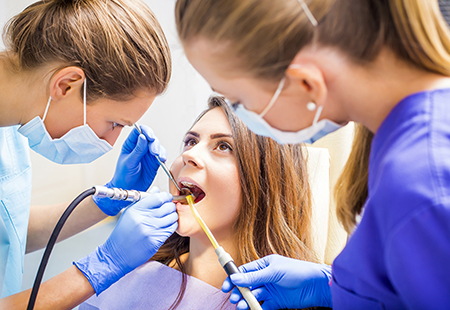
Once our office has a chance to assess your smile, we'll advise you of our findings and outline a comprehensive treatment plan to help ensure your smile is healthy and functions at its best. If any tooth decay is detected, we'll schedule appointments to treat those cavities and place the fillings or restorations that are needed.
At the office of Aarisha Dental, patient care and comfort are our top priorities. While treating cavities and placing fillings are among the most routine procedures in dentistry, our office understands you have questions and concerns and will keep you well informed every step of the way.
Treating a cavity involves the precise and gentle removal of decayed and damaged tooth structure and any preparation of the remaining tooth structure needed to secure your new filling. Although every patient and every smile is different, you can expect your visit to take about an hour.
In most cases, this visit is performed under local anesthesia. As the work gets performed, your tooth is completely numb, and you should not feel any discomfort. A dental drill, dental laser, or air abrasion technology can be used to remove decay. Once the cavity gets excavated, and healthy tooth structure remains, it's time to place the filling. The type of dental filling material being used determines the manner of placement. Composite fillings, glass ionomer cements, and amalgam fillings are typically placed right away. However, in the case of an extensive cavity, a tiny palliative dressing and a temporary filling may be placed. Whatever type of filling is used, our office will check the fit, do any necessary polishing, and meticulously adjust the bite to ensure your optimal comfort and function.
For patients who are anxious about dental work, you can rest assured the office of Aarisha Dental is mindful of your needs. As skilled and experienced providers of care, we pride ourselves on providing gentle dentistry and do all we can to make your visit comfortable and stress-free. While we perform dental procedures under local anesthesia, we're also happy to discuss options in dental sedation.
What Do I Need To Know Following The Placement Of My New Filling?
At the office of Aarisha Dental, our goal is to help our patients enjoy optimal oral health and to keep them well informed every step of the way.
Immediately after the placement of a new filling, it's essential to keep the following in mind:
-
Until the anesthesia wears off
Immediately following your dental visit, you may experience a period of lingering numbness. Normal sensation typically returns within an hour or two. However, until the anesthetic has completely worn off, it's essential to protect yourself from unintentionally biting or injuring your lips, cheeks, gums, or tongue. Be mindful of chewing, drinking hot beverages, or smoking. -
Now that your tooth has been restored and rebuilt, it may feel slightly different
While we take the utmost care to polish your new filling and make sure the bite is correct, on rare occasions, a patient may feel additional minor smoothing or further bite adjustment is required. -
You may experience short-term sensitivity
It's perfectly normal for a tooth to feel a little sensitive following the placement of a filling. You may experience a twinge when eating cold or hot foods and beverages. This sensitivity should subside by itself within a few days. If your sensitivity worsens, you experience ongoing pain or develop any other symptoms; please contact our office. -
Caring for your new restoration
Our office uses the latest generations of strong and durable filling materials. With proper oral hygiene and routine care, your new filling should last for many years to come. However, in cases of extensive tooth decay or injury to the underlying tooth, even the best restoration may need to be replaced, or further dental work may be needed down the road.
We're passionate about what we do and dedicated to providing the highest quality of care. If you have any additional questions or concerns, feel free to contact our office.
FAQs On The Topic Of Dental Fillings
+Are my teeth just sensitive, or do I have a cavity?
If the pleasure of eating a delicious bowl of ice cream or sipping a soothing cup of tea gets overshadowed by dental pain that makes you wince; it's time to contact our office. As skilled providers of care, we'll determine what's causing your discomfort and perform the treatment required to alleviate your symptoms and get you back on the road to oral health.
+What causes a cavity to develop?
Cavities develop because of an infectious process that causes progressive damage to tooth structure. Despite starting as a pinpoint defect on the outermost enamel layer of your tooth, untreated dental decay progressively compromises more and more healthy tooth structure as it works its way to the inner layers of your tooth.
+Can I still get a cavity if my tooth already has a filling?
Yes, you can still develop tooth decay on other surfaces of the tooth, around the margins of an old filling, or in fewer instances, recurrent decay underneath it. For this reason, it's essential to maintain excellent oral hygiene, a diet low in sugary beverages and sweets, and be sure to visit our office for routine checkups and care. While tooth decay is second only to the common cold in frequency, it's almost entirely preventable.
+Is it possible to have more than one filling done at the same visit?
We value the time and comfort of our patients. If cavities are located on adjacent teeth, or in the same section of your smile, it may be possible to treat more than one tooth during your visit. However, how much is done each visit depends on several factors. We keep our patients well informed and tailor every treatment plan and visit to address their unique needs.
+Are silver amalgam fillings safe?
Addressing concerns on the presence of elemental mercury in silver fillings, the American Dental Association (ADA), The Center for Disease Control and Prevention (CDC), the FDA, and the World Health Organization have all stated that amalgam restorations do not pose a risk to health. However, individuals with allergies or sensitivities to the metals in dental amalgam are advised to pursue other restorative options.
+Does it hurt to get a filling?
Dental fillings are performed under local anesthesia to help ensure your comfort throughout the entire procedure. The involved tooth remains completely numb for the extent of your visit. Within one or two hours after the procedure is completed, the local anesthetic will gradually wear off, and normal sensations return.
+When can I eat after my visit?
A tooth-colored composite filling is fully hardened and set by the end of your visit. However, we may advise you to wait a couple of hours until the local anesthesia has completely worn off. This advice is to help ensure you don't accidentally bite your lip, cheek, or tongue while still numb.
+How long do dental fillings last?
The lifetime of a dental filling varies depending on the type of material used. While popular dental materials can last a decade or more with proper care, they can degrade over time, wear down, or even break. When this happens, you may experience some tooth sensitivity, a jagged edge, or a loose or dislodged piece of filling material. Whatever the case may be, it's essential to get the filling replaced before the tooth sustains further damage or other consequences arise. Beyond taking good care of your smile we can help ensure the longevity of your fillings, our office regularly checks the status of your existing fillings as part of a routine checkup exam.
+How much do fillings cost?
Dental fillings are an essential investment that serves to preserve and protect the health of your smile. With that said, how much a filling costs depends on the number of surfaces of the tooth involved and the filling material that is used. Amalgam restorations are the most economical. While tooth-colored composite fillings have a slightly higher cost, they offer the added benefits of being metal-free and much more aesthetically pleasing. Ceramic fillings, inlays, and onlays are more expensive than the preceding options but provide outstanding, long-lasting, and natural-looking results.
+Does dental insurance cover the cost of getting a filling?
Dental insurances typically cover the cost of dental fillings. While we work with you to maximize your insurance benefits, there may still be an out-of-pocket expense. At the office of Aarisha Dental, we strive to help you begin care without any additional financial stress or delay.
Thanks to advances in dental materials, technology, and methods of care, it’s easier than ever before to replace missing teeth with the most natural-looking and aesthetically pleasing treatment outcomes. While dental implants and fixed bridgework provide effective and satisfying solutions for missing teeth, removable dentures remain a tried and true method for reestablishing a complete smile.
At the office of Aarisha Dental, we fabricate dentures from the highest grade of dental materials for a precise and comfortable fit. Our dentures are meticulously designed to rebuild beautiful smiles and support natural facial contours while enabling patients to speak, smile, and chew with renewed confidence and ease.
We’re dedicated to helping patients to enjoy the benefits of a beautiful smile and take pride in offering personalized solutions to address their dental needs, lifestyle, and budget.
How missing teeth affect your smile, your health, and your outlook
According to recent statistics, it’s estimated that across the country, over 175 million adults have lost at least one tooth, and close to 40 million are missing all of their teeth. In most of these cases, tooth loss is the end result of extensive dental decay, advanced gum disease, a traumatic injury, a congenital anomaly, or associated with a medical condition.
In addition to the psychological and social consequences having embarrassing gaps in your smile often produce, missing teeth can affect your ability to speak clearly and eat a satisfying and nutritious diet. Left unaddressed, missing teeth can also cause gradual changes to your appearance and the alignment of your remaining teeth. These changes not only affect your bite, but they have the potential to create more unsightly and unhealthy gaps in your smile. Furthermore, without the support of a complete set of teeth, facial contours may also begin to look more sagged and haggard over time.
While it’s never too late to rebuild a complete and beautiful smile, it’s always best to replace missing teeth sooner than later. Both partial and full dentures from the office of Aarisha Dental offer an effective and satisfying solution for reestablishing a complete smile.

What are dentures?
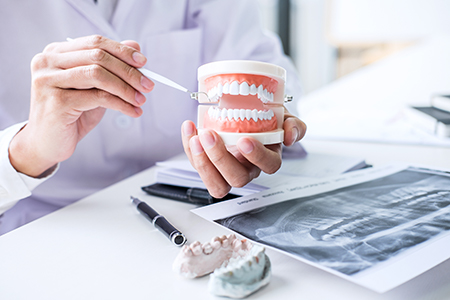
Dentures are removable appliances that are designed to precisely and comfortably rest on top of the gums that cover the jawbones. They consist of natural-looking artificial teeth set in a supportive base. In addition to offering a cost-effective solution for the replacement of missing teeth, dentures are quite versatile. They can be used to replace either a few teeth that have been lost or all of the teeth in the upper or lower jaws.
While conventional bridgework and dental implants offer fixed solutions for rebuilding complete smiles, partial and full dentures are removable oral appliances. This statement means it’s possible to take dentures out of the mouth to clean and maintain the health of the underlying tissues and any remaining teeth, as well as clean the dentures themselves, or remove them while sleeping.
Types of Dentures
You can rest assured that rebuilding your smile is in the best of hands at the office of Aarisha Dental. As skilled and experienced providers of care, we’ll carefully evaluate all aspects of your smile, the health and integrity of any remaining teeth, along with the surrounding tissues and the supporting bone to develop a treatment plan that satisfies the functional and aesthetic requirements of your case.
The two main types of removable dentures are full dentures and partial dentures. Which of these types offers the best solution for your smile depends on how many natural teeth are still present in your mouth and the health of these remaining teeth. While a partial denture can offer an effective solution in cases where some sturdy natural teeth remain, you may be a candidate for a complete denture when all the upper or lower teeth are missing or require extraction.
Full Dentures
Full dentures, also known as complete dentures, can effectively replace all the upper teeth, lower teeth, or both the upper and lower teeth. As with other types of dental solutions, there’s no one-size-fits-all approach for every case. The ultimate design, fabrication, and insertion of a full denture can vary based upon a patient’s specific needs.
Conventional Full Denture
This type of denture is fabricated and placed after all of the remaining teeth are removed, and the surrounding tissues have adequately healed. Fabricating a full denture when healing is complete supports a precise and comfortable fit.
-
Immediate Denture
With an immediate denture, a patient does not have to go without teeth while waiting for complete healing of the extraction sites. Although an immediate denture offers the advantage of not having to go without teeth for any length of time, it can require a reline and adjustments as the tissues remodel and heal. In some cases, for optimal comfort and fit, a conventional denture may eventually be required.
-
Overdenture
An overdenture is a type of complete denture that receives added stability and support from special attachments that are secured to the remaining underlying teeth or specialized dental implants.
-
Implant-Supported Dentures
As the name implies, this type of denture attaches to a select number of strategically placed implants in the upper or lower jaw. These small surgical posts provide precise points of attachment for the overlying denture and add a significant measure of stability and retention.
Partial Dentures
In situations where some sturdy teeth remain, partial dentures can offer an effective solution for the replacement of missing teeth. Partial dentures typically achieve adequate retention and stability with clasps or precision attachments on the teeth adjacent to the edentulous areas (the spaces formerly occupied by the missing teeth).
Removable partial dentures can fill the void left by individual missing teeth and multiple ones to restore the look and function of a complete smile. At the same time a partial denture fills the gaps left by missing teeth; it also stabilizes the dentition and bite and prevents unwanted drifting of the remaining natural teeth.
As with full dentures, partial denture design and fabrication varies based on a patient’s specific needs. With advances in dental materials and technology, partial denture wearers have more options than ever before. Today, a partial denture’s supportive framework can be fabricated from various materials, including cast metal, flexible resins, and hybrid materials.
At the office of Aarisha Dental, we’re dedicated to building healthy and beautiful smiles. As your trusted partner in care, you can depend on our office to design and fabricate a denture that will look good, fit comfortably, and serve you well for years to come.
Providing integrated solutions to rebuild smiles
Fabricating an attractive, well-fitting, and long-lasting denture requires a comprehensive understanding of oral function, facial aesthetics, dental materials, and appliance design. At the office of Aarisha Dental, we maintain a position at the forefront of advances in care and successfully combine the art and science of dentistry to provide patients with outstanding treatment outcomes.
Once we’ve had an opportunity to review your medical and dental history, assess all aspects of your smile, and discuss your expectation of care, we’ll discuss the best options for restoring and rebuilding your smile.
Based upon a comprehensive analysis of your case, including advanced diagnostic imaging, we’ll advise you if any dental work, additional procedures, or extractions are required prior to the fabrication of a partial or complete denture. It’s essential that any remaining teeth are healthy and have sufficient bone support. Sometimes, a pre-prosthetic procedure to improve the tissue anatomy and ensure a denture’s optimal fit is recommended.
Having a denture or set of dentures made is a sophisticated process involving dental impressions, framework try-ins, selecting the right shade, shape, and size of the artificial teeth, and making sure that the bite and all aspects of oral function are comfortable and healthy. Whether it takes a single visit or a few visits to fabricate a partial or complete denture, a satisfying and healthy outcome relies on the careful execution of every step in care.

What To Expect When You Receive Your New Denture
At the office of Aarisha Dental, our patients' care and comfort are our top priorities. Our goal is to help patients enjoy optimal oral health and to keep them well informed every step of the way.
-
Adjusting to wearing a new denture
Getting used to wearing a new denture, especially a full denture, can take a little time. It’s not unusual to need some minor adjustments as you begin to speak, chew, and function with your new teeth. It can take a few adjustments to fit completely and feel comfortable. If you have a sore spot, try to wear the denture at least the day before your adjustment visit. In this way, we can see exactly where we need to relieve the area causing your irritation.
-
More saliva than usual
One of the natural responses to a new denture is for your mouth to produce more saliva. Not to worry, this is only a temporary reaction. The flow of saliva gradually decreases back to a normal level.
-
Speaking with ease
While it may seem challenging to speak clearly at first with a new denture, that feeling will pass within a few days. It’s important to keep talking, as usual, to allow yourself to adapt to your new set of teeth. You can help things along by reading some passages from printed materials or a computer out loud. -
Getting used to eating with a denture
If this is your first denture, it can also take some time to adapt to eating with your new prosthesis. Getting used to eating with a full denture is typically more challenging than doing so with a partial denture. It’s best to start with soft foods and to avoid chewing on just one side. Your tongue, lips, cheeks, and soft tissues will soon adapt to chewing with your new denture, and from then on, you’ll be able to eat with ease.
-
Taking care of your dentures
-
It’s essential to keep your denture clean! Rinse your dentures after eating and brush them daily. In this way, you can prevent stains and bacteria from accumulating on your new set of teeth. It helps to use a brush designed for dentures. Also, remember to soak your dentures in water when you’re not wearing them and at least once a week in the recommended denture cleaner.
-
Brush any remaining teeth as well as your gums to keep them clean and the tissues healthy and firm. If you wear an upper denture, rinse and gently clean the roof of your mouth as well.
-
Take your dentures out at bedtime. This practice gives the gums and the jawbone a chance to rest, helping to prevent irritation and infection as well as bone resorption (shrinkage).
-
-
Added stability
Due to the status of the underlying tissues and other factors, there are some cases where full dentures benefit from additional means of retention. While denture adhesive is often sufficient, full dentures that are implant-supported or clip onto special attachments offer added stability and retention.
-
Follow-up care
Maintaining oral health and overall well-being involves routine checkups and care. At these visits, we not only check the fit and condition of your dentures but we also perform a comprehensive exam to check the status of any remaining teeth as well as assess the health of all of the soft and hard tissues in and around the oral cavity.
-
Relines
Over time, the tissues supporting the denture can change. As the shape and contours of these tissues shrink or remodel, your denture may not fit as comfortably or feel as stable as it once did. A separate procedure, which is known as a reline, may be recommended.
At the office of Aarisha Dental, we’re dedicated to providing the highest quality of care. If you have any additional questions or concerns about your new dentures, feel free to contact our office.
FAQs
+What the best way to replace missing teeth?
Today, it’s easier than ever to replace missing teeth and achieve natural-looking, durable, and long-lasting results! Depending a patient’s dental needs, lifestyle, expectations of care, and budget, choices can include conventional fixed bridgework, dental implants, or removable partial and complete dentures. At the office of Aarisha Dental, we’ll discuss all your options in care and answer all your questions as you choose the solution that’s right for you.
+Do dentures provide natural-looking results?
With advances in dental materials and technology, today’s dentures are more comfortable and realistic-looking than ever before.
+Do I still have to see a dentist if I wear dentures?
Whether you wear partial or complete dentures, it’s essential to see the dentist for routine care. Besides checking the fit and condition of your dentures and making any necessary adjustments, you’ll also receive a comprehensive exam to check on the health of any remaining teeth as well the soft and hard tissues in and around the oral cavity.
+What’s a same-day denture?
A same-day denture offers an accelerated design and fabrication process that allows a patient to go from impression taking to denture insertion in a single day.
+What is the main benefit of an immediate denture?
For patients who don’t want to wait after having teeth extracted, an immediate denture can be inserted the same day your teeth are removed. Sometime later you may need the denture reline to address any changes in its fit once the extraction sites have completely healed.
+What if I break my denture?
While no one wants to drop or break a partial or complete denture, accidents do happen. The good news is that in some cases, your partial or complete denture is reparable. It all depends on the extent of the damage. Don’t hesitate to contact our office if you’ve broken or damaged your denture. We’re happy to help.
+What if the clasps on my partial have loosened?
The simple act of taking your partial denture in and out can cause certain types of metal clasps to loosen over time. When you come in for your checkup visit or contact our office for an adjustment, we’ll assess the fit of your partial and tighten the clasps for improved stability and comfort.
+How much do partial or complete dentures cost?
While rebuilding a complete smile is a worthwhile investment, our office is sensitive to the costs involved in dental care. We customized care and will discuss which treatment options address your needs, lifestyle, and budget. How much a new denture will cost depends on the type of the prosthesis, its design, and the materials used to fabricate the supportive base, teeth, and clasps or precision attachments. Dentures that include the placement of dental implants for added retention and stability typically involve additional costs.
+Does dental insurance cover the cost of dentures?
If you have dental insurance, your coverage may include a new or replacement set of dentures. Our staff is happy to review your coverage with you to ensure you are maximizing your insurance benefits while minimizing any out of pocket expenses.
+Why choose the office of Aarisha Dental?
At the office of Aarisha Dental, we provide an extensive range of dental services, including the latest and most effective methods to help patients with missing teeth rebuild complete and beautiful smiles. As skilled and experienced professionals, we recognize that every patient is different, and every smile is unique. We’re passionate about what we do and take great pride in providing personalized treatment plans while treating our patients as valued partners in care.
Digital radiography utilizes computer technology and digital sensors for the acquisition, viewing, storage, and sharing of radiographic images. It offers several advantages over the older traditional film based methods of taking x-rays. The most significant of these advantages is that digital radiography reduces a patient’s exposure to radiation. Other benefits are that images can be viewed instantly after being taken, can be seen simultaneously as needed by multiple practitioners, and can be easily shared with other offices. Digital x-rays are also safer for the environment as they do not require any chemicals or paper to develop.
An electronic pad, known as a sensor is used instead of film to acquire a digital image. After the image is taken, it goes directly into the patient’s file on the computer. Once it is stored on the computer, it can be easily viewed on a screen, shared, or printed out.
Are You Looking For An Emergency Dentist In San Jose?
Whether you or any member of your family are suffering from a chipped tooth, toothache, wisdom teeth issues, or other problems affecting your oral health, you can be sure to get the prompt attention and skilled care you need at the office of Aarisha Dental.
While emergency dental care is a service we hope you'll never need, Aarisha Dental can help! As anyone who has ever had a toothache or sustained a dental injury can attest, the experience is both painful and upsetting. Although getting some measure of relief is a paramount concern, timely care is critical to prevent further consequences to your oral health and overall well-being.
At Aarisha Dental, our experienced, compassionate dental team provides a broad range of services to address dental emergencies in San Jose and the surrounding communities. We can assure you that your smile is in the best of hands with us. Patient care and comfort are our top priorities. Our practice maintains a position at the forefront of advances in diagnostic and treatment technology to provide precise, gentle, and safe care.
We treat many types of dental emergencies and urgent oral health problems, including:
- Toothaches
- Chipped or fractured teeth
- Abscesses
- Loose or broken fillings
- Dislodged or lost dental crowns
- Broken, ill-fitting, or lost dentures
- Problematic wisdom teeth
- Acute Periodontal Problems
- Loose or broken down teeth
- Swollen, bleeding gums
- Bacterial, viral, or fungal Infections affecting the tongue, cheeks, gums, lips, or other soft tissues of the mouth
- Oral pain or swelling of unknown origin
- Suspicious bumps, spots, and lesions

Let Aarisha Dental Help Alleviate Your Discomfort and Restore Your Oral Health
Our goal is to get you back on the road to oral health as quickly as possible. As a trusted emergency dentist, you can count on our office for prompt, skilled, and reliable care.
Treatment for dental problems such as a toothache or a fractured tooth can vary. It all depends on the extent of the damage caused by the decay or trauma. Care may involve the placement of a new dental filling, dental bonding, or a larger restoration such as a crown to rebuild the tooth's form and function. If the damage has reached the tooth's nerve and vital inner tissues, you may need root canal treatment to save your natural tooth. Root canal treatment is a highly effective procedure with a greater than 95% success rate. Although we provide leading-edge care and do all we can to help save your tooth, in some situations a dental extraction is required. While losing a tooth can feel a little overwhelming, there's no reason for despair.
With advances in dentistry, there are several options available for the replacement of missing teeth, including dental implants, conventional fixed bridges, and partial or complete dentures. Today, dental implants represent the most advanced method for replacing a lost tooth and reestablishing a complete and beautiful smile.
Frequently Asked Questions
−What is a dental emergency?

Toothaches
Pain is your body's way of signaling that something is not quite right and though there are many reasons for oral pain, one of the most common complaints and reasons for seeking urgent dental care is a toothache. Whether you simply need a dental filling, a crown, or require a root canal procedure to save your tooth, we'll alleviate your discomfort and restore the look and function of the involved tooth.
Dental Trauma
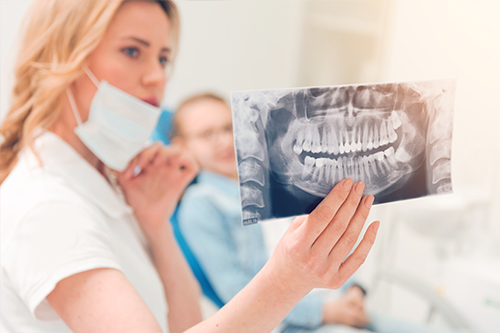
Dental trauma can result in a defect as minor as a small chip in tooth enamel to a more extensive and painful crack or fracture. With sufficient force, a tooth can even be displaced or completely knocked out of its socket. With prompt emergency care, many injured teeth can be restored and saved.
Wisdom Teeth
The last teeth in your mouth to develop, wisdom teeth often do not have enough room to fully erupt or may be positioned in the wrong direction. These issues can affect your dental health as well as overall well-being. Our office provides skilled care to address the complications caused by problematic wisdom teeth.
Broken or Lost Dental Appliances
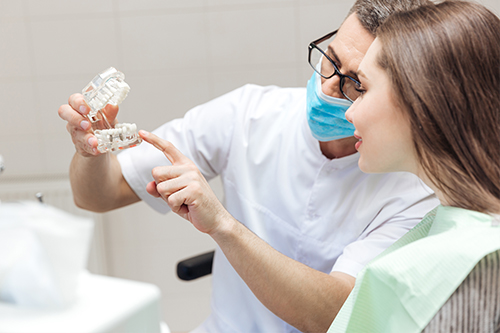
A broken or lost dental prosthesis or restoration can cause embarrassing gaps in your smile as well as compromise your ability to eat and speak with ease. If you've lost or broken a dental filling, denture, crown, or other dental appliance, you can rely on our office to perform a prompt repair or provide a durable and cosmetically pleasing replacement as quickly as possible.
At Aarisha Dental, emergency appointments are always available. Of course, in addition to providing top treatment for dental emergencies, we also welcome patients searching for high quality and affordable care. We offer a complete range of the latest and best cosmetic and dental services for every member of your family.
+How long do I have to wait for an emergency dental appointment?
If you are suffering from a toothache or have sustained a dental injury, it is important to visit the dentist as soon as possible before more serious complications arise. Whether your dental emergency is painful, if it affects the appearance of your smile, or if you suspect that an infection is present, our office will make every effort to see you as promptly as possible for care.
At Aarisha Dental, we treat your dental emergency as our top priority. Our caring team will respond to your emergency call right away, making sure you get the gentle, state-of-the-art care you need without delay.
As your trusted emergency dentist in San Jose, we provide the highest quality of care to mitigate the stress, anxiety, and discomfort of dental problems. Our dedicated team will help you start feeling better as soon as we receive your emergency call.
+Do I need to go to the emergency room or hospital?
At Aarisha Dental, we provide skilled and experienced care to effectively resolve a broad range of dental emergencies, restoring a patient's oral health while protecting their overall wellbeing.
However, even so, specific dental emergencies pose significant threats to one's health. These situations require immediate, emergency room care. Serious and potentially life-threatening dental emergencies include significant oral and facial trauma such as jaw fractures, deep wounds or lacerations to the face and mouth, an abscess or infection that causes widespread facial or submandibular swelling, or affects breathing and swallowing.
+How much does emergency dental treatment cost?
At Aarisha Dental, we provide prompt, skilled, and experienced care to address dental emergencies. We understand that finances are always a concern and do our best to provide options in care that are both affordable and respect your budget.
Once we've had the opportunity to examine your smile, we can give you a clear picture of any existing dental issues, along with a quote for what the cost of treatment will be. The cost of care all depends upon the extent and complexity of issues affecting the health or appearance of your smile and the types of procedures that are required.
To help alleviate any additional stress or delay, you can count on our staff to work with you to optimize coverage for your dental care and to minimize your out-of-pocket expenses. For patients without insurance, we strive to make things easier as well! We invite you to visit our financial information page or speak to an expert in our business office.
+Why Choose Aarisha Dental For Your Emergency Dental Treatment In San Jose?
Dental emergencies are often painful and debilitating experiences. For this reason it's important to have an emergency dentist in San Jose, who welcomes patients with urgent dental needs while providing the prompt care required to restore oral health.
Here are just some of the reasons why so many patients choose our office for emergency dental care and to meet their family's dental needs:
- Skilled and compassionate care for patients of all ages
- Ultra-modern office designed with patient comfort in mind
- Professional team experienced in all facets of care
- State-of-the-art diagnostic and treatment technology
- Precise and gentle treatment using leading-edge systems of care
- Careful attention paid to patient input and treatment expectations
- Detailed explanations of treatment options and every step in care
- Provision of a broad range of dental services and emergency procedures
- Recognizes the specific needs of each patient and the unique requirements of every smile
- Provide patients with the education and tools to establish a strong foundation for optimal oral health
We're dedicated to helping patients enjoy good oral health and beautiful smiles. We look forward to helping you keep your smile in tip-top condition. You can rest assured that our highly skilled office team will provide you the highest quality of state-of-the-art dental care and have you smiling again in no time!
To make an appointment or for more information on our office and the many state-of-the-art services we provide, give us a call today.
At Aarisha Dental, We Provide Care To Support Ongoing Oral Health And Help Prevent Dental Emergencies
While some dental emergencies cannot be predicted or avoided, practicing good oral hygiene, a healthy diet, and routine care go a long way to protect the health of your smile.
At Aarisha Dental, we emphasize taking a preventive approach to care to help you and every member of your family maintain healthy, beautiful smiles. By coming to our office as recommended for checkup visits and routine care, we can help to prevent both the onset and progression of many oral health problems. We offer a comprehensive program of preventive care, including examinations, professional teeth cleanings, and oral cancer screenings, along with patient education on hygiene, diet, and healthy practices.
Your oral health and overall well-being are our top priorities. Remember, it's best not to hold off seeing the dentist until you're in terrible pain or think there's something wrong. By scheduling a routine appointment for a comprehensive checkup, a professional cleaning, and routine dental care, our skilled dental team can help you keep your smile looking and functioning its very best.
What You Need To Know About Having A Tooth Extracted
At the office of Aarisha Dental, our patients' care and well-being are our top priorities. Every member of our skilled and experienced team strives to ensure patient comfort and a stress-free dental experience. Our dedication to the consistent provision of compassionate and personalized attention along with gentle, precise care has earned our office the respect and trust of our patients.
While we do everything we can to preserve the integrity of your natural smile, it's sometimes necessary to extract a tooth to protect your oral health and overall well-being.
Some of the most common reasons our office may recommend having a tooth extracted include the following ones:
-
A "baby" or deciduous tooth that is over retained (reluctant to fall out), severely decayed, or damaged
In most cases, a baby tooth will fall out as scheduled as the underlying permanent one begins to erupt into place. However, occasionally a baby tooth continues to remain firmly attached to the bone. Either the roots of the baby tooth have failed to resorb and shrink as intended, or the baby tooth has become anklylosed and fused to the supporting bone. The problem is that over-retained baby teeth can disrupt the development and alignment of your child's smile. As we monitor your child's smile as they grow, we'll advise you if and when an extraction of a baby tooth is required to facilitate the eruption of its underlying permanent successor. -
A permanent tooth that has extensive decay and is deemed non-restorable
Beginning as a simple pinpoint defect on the outermost enamel layer of your tooth, untreated dental decay will continue to compromise healthy tooth structure as it works its way to the inner layers of the tooth. Without proper care, a cavity can lead to significant damage to tooth structure, irreversible damage to the nerve of the tooth, a dental infection, and serious consequences to your oral health and overall well-being. When the tooth has sustained far too much structural damage and cannot be restored, a dental extraction may be required. -
A permanent tooth that has been severely fractured or cracked and can not be restored
There are many different types of chips, cracks, and fractures that can affect your teeth. The extent of the damage that it causes will determine if there is enough intact tooth structure to save the tooth and the type of treatment required. In cases where too much tooth structure or the root of a tooth has also been compromised, an extraction may be necessary. -
Advanced gum disease that has significantly compromised the tooth's supporting tissues
The most common cause of tooth loss in adults is gum disease. When left untreated, periodontal disease, which affects the hard and soft tissues supporting your teeth, can lead to gingival pocket formation, gum recession, and diminishing alveolar bone. As advanced and untreated gum disease progresses, the teeth ultimately loosen, fall out, or require extractions. -
Poorly positioned, impacted, or decayed wisdom teeth
Wisdom teeth, which are also known as the third molars, are the last permanent teeth to develop in the oral cavity and the final ones to come into place. However, as is often the case, many wisdom teeth do not have sufficient room to erupt, are not developing correctly, develop extensive decay, or cause issues for the adjacent teeth and the surrounding tissues. Although the extraction of wisdom teeth sometimes gets recommended for an older patient, the early removal of troublesome or potentially problematic third molars in young adults is more often the case. -
Overcrowded Teeth
A tooth size to jaw size discrepancy often results in a crowded and misaligned smile. More simply put, the upper and lower jaws are not large enough to accommodate all the permanent teeth. As part of an orthodontic treatment plan to optimally align teeth and establish an attractive, healthy, and functional bite, the extraction of select permanent teeth may be required.
How is a tooth extraction performed?
Whatever the reasons for a dental extraction may be, you can rest assured that your care is in the best of hands at our office. As the first step in care, our dentist will review your medical and dental histories and discuss any special considerations in care.
It's essential to inform our office of any existing medical conditions or medications you are currently taking. In some situations, extra precautions, including premedication with antibiotics, a change in medication, and a medical clearance may be required. Follow all our pre-surgical directives and let us know if you are sick or have developed other symptoms on the day of surgery.
Our goal is to reduce any anxiety and help ensure patient comfort whenever a tooth extraction is necessary. In advance of the procedure, we'll discuss any medical considerations or precautions and go over our pre-surgical instructions. We'll also discuss post-surgical recommendations, including whether replacing the extracted tooth or teeth is needed and the best options in care.
To thoroughly assess the tooth and the type of extraction required, we perform a comprehensive examination and take digital radiographs as indicated. Extractions are typically categorized as either "simple" or "surgical extractions."
What Is A Simple Extraction?
When the tooth is clearly visible in the mouth and the root anatomy is not extensively hooked, fused to the surrounding bone, or otherwise unusual, it usually falls into the category of a simple extraction. Once the tooth and the surrounding tissues get sufficiently numbed with a local anesthetic, our dentist will loosen any attached periodontal tissues and apply forceps to remove the tooth. As with all dental procedures, we do all we can to help ensure your comfort and relaxation throughout every step in care. For patients who are anxious about dental work or certain procedures, we can discuss additional options in dental sedation.
What Is A Surgical Extraction?
For teeth that are severely broken down, anklylosed, or impacted, a surgical extraction is often indicated. We may refer you to an oral and maxillofacial surgeon to perform this procedure. During a surgical extraction, a small incision in the soft tissues and localized, precise removal of overlying bone provides greater access to remove the tooth. As with all tooth extractions, patients are given a local anesthetic to completely numb the involved tooth and the surrounding tissues. Once again, additional options in dental sedation, pre-surgical considerations, and directives are thoroughly discussed and explained.
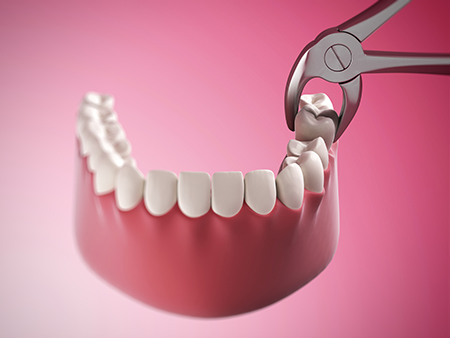
What To Do After Getting A Tooth Taken Out
As skilled and experienced providers of care, we recognize that every case is different and provide treatment that addresses the unique requirements of each patient. Depending on a patient's specific needs, we provide post-operative instructions, including special instructions, limitations on activities, medications, and follow-up care that support optimal recovery and healing. In some cases, post-op care may also include the involvement of a patient's physician. In general, and unless modified otherwise by our office, the following post-operative guidelines apply to simple extractions.
Post-Op Care Following An Extraction
-
Maintaining gauze pressure
Following your extraction, some gauze to bite down on will be placed over the extraction site. By biting down and maintaining pressure on the gauze as instructed, any active bleeding should stop. You may change the gauze pad after the first hour. Continue to bite down for another 45 minutes if heavy oozing continues. While it's normal for a little oozing to continue for 24 hours, contact our office if you are still experiencing profuse oozing or bleeding. -
Until the local anesthesia wears off
Until the local anesthetic has completely worn off, it's essential to protect yourself from unintentionally biting or injuring your lips, cheeks, gums, or tongue. -
Take medications as prescribed
-
Antibiotics:
If you have been given a prescription for antibiotics, be sure to take the correct dosage and full course of medication as prescribed. -
Pain management:
It's helpful to take a pain reliever before the local anesthetic completely wears off. Over-the-counter (non-aspirin) pain medication may be taken to relieve discomfort. Any prescription pain medication should only be taken as directed.
-
-
To facilitate healing
Do not rinse your mouth, spit, drink through a straw, or suck on candies. It's essential to allow the extraction site to clot and not dislodge the new clot once it has formed. -
Applying ice
An ice-pack held in place in the facial area overlying the extraction site helps to control swelling. Apply the ice for 10-minute intervals during the first day following your procedure. -
Avoid smoking
Smoking not only prevents clot formation, but it also interferes with healing. Avoid smoking and tobacco products for the first week. -
Watch what you eat and drink
Stay away from hot or spicy foods and drinks for the first day or two. Also, refrain from drinking any carbonated or alcoholic beverages. Stick with a diet of soft foods and liquids for the first couple of days following surgery. Drink plenty of fluids. -
Oral hygiene
Brush gently; it's essential to take great care not to disturb or irritate the extraction site for a few days. A very mild lukewarm saltwater solution can be used to freshen your mouth. Remember not to rinse or spit that first day or two. Simply let any liquids gently fall from your mouth into the sink. -
An appointment for a follow-up visit
If sutures (stitches) were placed, or if a complex extraction, an infection, or other issues requires a visit to monitor your healing and progress, you will be given an appointment for follow-up care. It's essential that you keep this appointment as provided.
If you experience continued bleeding, ongoing pain, more swelling, have a bad taste in your mouth, or other unusual symptoms, contact our office.
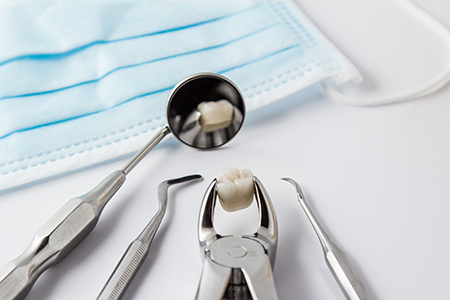
Why choose the office of Aarisha Dental?
You deserve quality care that's personalized to meet your individual needs, and at the office of Aarisha Dental, you can rest assured your smile is in the best of hands. We deliver precise and gentle care, keeping you informed and relaxed throughout your procedure. If your tooth needs to be replaced, we'll discuss your best options, including dentures, fixed bridges, and dental implants. As the most advanced method of tooth replacement available, dental implants come the closest to replicating the look, feel, and function of a natural smile.
Dental Extraction FAQs
+What are the most common reasons for an extraction?
The most common reasons for tooth loss include advanced periodontal disease, extensive tooth decay, and facial trauma. According to statistics, gum disease is responsible for close to 70% of tooth loss in adults. Although less frequent than the preceding three reasons, it should also be noted that specific diseases, drugs, smoking, and poor nutrition contribute to the risk of tooth loss.
+How common is tooth loss?
The Centers for Disease Control and Prevention report that in the United States, an average of 12 teeth (including the wisdom teeth) are lost by the age of 50. Also, 26% of adults between 65 and 74 years of age have lost all their teeth.
+Does it hurt to have a tooth extracted?
Every patient and every situation is different. However, when a tooth and the surrounding tissues are numbed with a local anesthetic, you should only expect to feel a bit of pressure, but no pain as the tooth is being loosened from the surrounding tissues and extracted. For patients who are apprehensive and for some surgical extractions, our office will discuss our options in dental sedation to provide further relaxation and reduce any sense of discomfort.
+What will I feel when the anesthetic wears off?
While it's normal to feel some tenderness and swelling following an extraction, the degree of these sensations can vary. It mostly depends on the complexity of the extraction and the body's response to the procedure. We'll recommend or prescribe the appropriate pain medication to help ensure your comfort and give you specific instructions for maximum effectiveness and safety.
+How long does it take to recover from a tooth extraction?
Typically, the recovery period following a simple extraction is shorter than a surgical extraction. However, a patient's overall health, habits, and the size and location of the tooth, and other variables can influence recovery and healing. To speed up the recovery and avoid any complications, patients must follow the given at-home instructions diligently. We'll carefully review what to expect following your procedure and go over your post-op instructions.
+Why should one refrain from smoking following a tooth extraction?
Smoking interferes with blood clot formation, which is an essential first step in the healing process. Blot clot formation not only provides a protective layer to cover the underlying exposed bone and nerve endings, but it also supports the growth of new tissue. Cigarette smoke also contains chemical toxins that can disrupt the healing process and lead to problems such as continued inflammation, infection, or dry socket.
+What is dry socket?
In a very small percentage of cases, a condition known as dry socket can develop in the aftermath of a dental extraction. This painful condition can arise when the blood clot in the extraction site doesn't form properly or gets dislodged. With dry socket, you may experience throbbing pain and symptoms such as bad breath and an unpleasant taste in your mouth. As skilled providers of care, our office will provide immediate treatment to alleviate your discomfort and promote healing.
+Will I need my wisdom teeth extracted?
The last teeth in your mouth to develop, wisdom teeth often do not have enough room to fully erupt or may be positioned in the wrong direction. These issues can affect your dental health as well as overall wellbeing. While some individuals never develop all their wisdom teeth, and a few have sufficient space for them, there are many people with partially or fully impacted third molars. Our office will monitor the development, position, and health of your wisdom teeth and will advise you if and when extractions are indicated.
+What is the reason for a bone graft immediately following an extraction procedure?
After a tooth is removed, bone-grafting material is sometimes placed in the socket to promote healing and encourage new bone development. This procedure is often performed to support the eventual and successful placement of a dental implant.
+How much does getting a tooth taken out cost?
At the office of Aarisha Dental, we strive to make dental care affordable and accessible. Depending on the type or complexity of the extraction and other variables, the cost of the procedure can vary. Based on our diagnostic findings, our office will inform you of the healthiest choices in care, explain the fees, discuss insurance coverage, and explain your payment options.
+Are tooth extractions covered by dental insurance?
Many dental plans offer some level of coverage for tooth extractions. We'll advise you if your plan covers the full cost of the procedure and if there is any out-of-pocket expense. Our business office will work with you to maximize your insurance benefits as much as possible while helping you minimize any out-of-pocket expenses.
Replacing Missing Teeth With Dental Implants
If you're missing teeth, you're not alone. Tooth loss is a far more common problem than you think. In fact, studies show that 178 million people across the United States are missing at least one tooth, and 35 million are completely edentulous (missing all their teeth). Whether you have lost one tooth or multiple ones to gum disease, tooth decay, or a traumatic injury, the office of Aarisha Dental can help. We provide state-of-the-art care and offer the latest solutions to help patients reestablish complete, healthy, and beautiful smiles.
Dental implants for a smile that looks and feels completely natural!
Today, dental implants represent the most advanced system for the replacement of missing teeth. While conventional fixed bridges and dentures remain effective and satisfying ways to replace missing teeth, dental implants come the closest to replicating the look, feel, and function of a natural smile.
With dental implants, you can once again enjoy all your favorite foods and speak and smile with renewed confidence and ease. Because dental implants behave in much the same way as the roots of natural teeth, they provide unrivaled stability for the placement of a broad range of dental prostheses, including crowns and bridges up to a complete set of teeth. For patients who wear full dentures, dental implants provide the added stability and retention required to improve comfort and fit while preventing any embarrassing slippage.
If you are struggling with tooth loss and looking for the best solutions for the replacement of missing teeth, visit the office of Aarisha Dental to learn more about dental implants and all the state-of-the-art services we provide. At the office of Aarisha Dental, we take pride in creating beautiful and healthy smiles!

Let The Office Of Aarisha Dental Help You Rebuild A Beautiful Smile
Missing teeth do more than cause embarrassing gaps in your smile. For one thing, they can also affect your ability to speak or chew nutritious food with ease. By not replacing missing teeth, the adjacent ones can shift towards the space over time and change your bite and compromise the health of your smile in many ways.
With all of the advances in dental materials, technology, and treatment methods available today, it's easier than ever before to replace missing teeth with the most natural-looking and aesthetically pleasing results of care.
At the office of Aarisha Dental, we're pleased to offer leading solutions to improve your oral health and give you a smile you can feel confident sharing with the world. We give you back the complete smile you have lost and provide personalized solutions for all of your oral healthcare needs. To find out more about dental implants or schedule an appointment so that we can take a closer look at your smile, give us a call today.
Frequently Asked Questions
+What are dental implants?
Dental implants are small, biocompatible surgical posts that behave in much the same way as the roots of natural teeth. Once placed and integrated with the surrounding bone, dental implants provide unparalleled support for single crowns, bridges, and dentures. As the most advanced method for the replacement of missing teeth, they offer satisfying, long-lasting, and functional solutions for rebuilding a complete smile.
+What are the benefits of getting dental implants?
Whether you're missing one tooth, multiple ones, or missing all your teeth, you can rebuild a complete and beautiful smile with dental implants! According to statistics, roughly 3 million people have already received dental implants, with that number increasing at a staggering rate of 500,000 per year! The soaring popularity of dental implants is attributed, in large part, to the numerous benefits they offer as compared with other methods of care.
While conventional fixed bridges and dentures provide effective and satisfying solutions for the replacement of missing teeth, dental implants offer several advantages over traditional methods of care:
-
Dental implants come the closest to replicating the look, feel, and function of natural teeth.
-
With precise placement, good oral hygiene, and routine care, dental implants can last for many years.
-
Dental implants provide continued stimulation to the underlying bone to prevent the bone loss that occurs when teeth are missing while preserving natural facial contours.
-
Since implants behave like natural teeth, there is no chance that they will slip or dislodge like removable dentures when speaking or eating.
-
With dental implants, it is possible to speak with ease as well as eat and taste all types of food with virtually no restrictions.
-
Dental implants do not decay and will not develop cavities.
-
Unlike a fixed bridge, dental implants do not require any preparation or crowning of teeth adjacent to the edentulous area.
+Are dental implants right for me?
If you are wondering if you're a candidate for dental implants, it's easy enough to find out. At the office of Aarisha Dental, we're not only happy to take a look at your smile, but we'll also answer all your questions and explain your best options in care. As the most versatile solution for reestablishing a complete smile, dental implants offer a wide range of applications and can be used to replace a single tooth, multiple teeth, or all of the upper and lower teeth.
Rest assured that your care is in skilled and capable hands. You can count on our office for the best solutions for your smile. We treat every smile as unique and develop personalized treatment plans based upon your medical and dental histories, as well as your current oral health, cosmetic expectations of care, lifestyle, and budget.
+How are dental implants placed?
It's essential to plan and meticulously execute every step in care, from initial treatment planning and the precise placement of dental implants all the way to the design, fabrication, and insertion of the final crowns, bridges, or dentures.
Surgery to place the dental implants is typically considered a minor surgical procedure and performed on an outpatient basis. However, the exact extent of the procedure depends upon the type and number of dental implants and whether or not any additional procedures are required to prepare the supporting bone.
As your trusted partner in care, you can count on our office to keep you well informed every step of the way. Patient care and comfort are our top priorities. We do everything we can to put you at ease and make every visit to our office both comfortable and stress-free. Prior to your dental implant procedure, we'll discuss your dental anesthesia, options in dental sedation, and provide detailed pre-op and post-op care instructions.
Once your dental implant is placed, it can take a few months for it to fully integrate with the surrounding bone. While in some cases, a same-day temporary crown or bridge can be placed to provide an immediate and cosmetically pleasing look, permanent prostheses are typically placed when healing and osseointegration (fusion) with the surrounding bone are completed.
+Why might I need a bone graft to get a dental implant?
According to clinical studies, dental implants have a demonstrated long-term success rate of well over 95%. However, the long-term stability and success of a dental implant depend upon the presence of sufficient bone at the time of placement. In cases of periodontal disease or following the extraction of a tooth, bone volume is often lost. By placing a bone graft in the extraction site, or prior to the placement of a dental implant, we can establish sufficient bone support for a sturdy and stable dental implant.
+How much do dental implants cost?
While rebuilding a complete smile with dental implants is a worthwhile investment, our office is sensitive to the costs involved in dental care. We customize care and will discuss all treatment options that address your oral healthcare needs, cosmetic goals, and budget. Our office is dedicated to making care more accessible and will help patients navigate their dental insurance coverage and optimize their benefits. We can also discuss payment plans as well as financing treatment to make things easier for you. Feel free to contact our team with all your questions regarding methods of payment and financing options.
8 More Questions To Ask Your Dentist About Dental Implants
+Why is it so important to replace missing teeth?
Even if you've lost a back tooth that no one sees, it's essential to replace it. Missing teeth do more than cause embarrassing gaps in your smile. In addition to affecting your ability to chew and speak, missing teeth can also cause gradual changes to the alignment of your remaining teeth. These changes not only affect your bite, but they have the potential to create more unsightly and unhealthy gaps in your smile. Furthermore, without the support of a complete set of teeth, facial contours can begin to sag, creating a more haggard look over time.
+Are dental implants suitable if I am missing more than one tooth?
In addition to representing the most advanced solution for the replacement of missing teeth, dental implants are also the most versatile. While an individual implant supports a crown to replace a single tooth, additional implants can also be placed to replace multiple teeth. Even if you're missing all your upper or lower teeth, dental implants can be used to reestablish a complete and beautiful smile.
+How can dental implants help if I already wear full dentures?
Dental implants can help people who wear full dentures in multiple ways. For one thing, dental implants offer an alternative to full dentures. Because strategically placed dental implants can support a full arch dental bridge, you can enjoy the benefits of a fixed, non-removable, stable, and natural-looking solution for your smile.
Another way dental implants can benefit someone who wears full dentures, is by providing the denture with added stability and retention. Specialized dental implants offer an attachment point for a full denture so that you no longer need denture adhesives to prevent uncomfortable and embarrassing slippage.
+Are dental implants safe?
Just like a new hip or new knee, dental implants are fabricated from the highest quality of medical-grade biocompatible materials. While most dental implants are made of titanium, some are fabricated from zirconia. Both titanium and zirconia are biocompatible materials, which integrate well with the hard and soft tissues in the jaw.
+Will dental implants give me a natural-looking smile?
Dental implants behave in much the same way as the roots of natural teeth and are designed to support both individual dental crowns and bridges to rebuild a complete smile. Just how aesthetically pleasing and naturally beautiful your dental implant restorations look depends in large part on the artistry and skill of the professionals providing your care.
At the office of Aarisha Dental, you can feel confident sharing your new smile with the world. Every implant restoration that we fabricate is made from the most cosmetically pleasing, safe, and durable dental materials. Not only will your new teeth blend seamlessly with your smile, but the size, shape, and color will be selected for optimal facial aesthetics and harmony.
+How do I take care of my dental implants?
Taking care of your dental implants requires the same diligence it takes to care for a natural smile. An effective oral hygiene regimen that includes brushing twice a day and flossing combined with healthy oral habits, good nutrition, and routine dental care are the best steps you can take to maintain your new smile. Although dental implants do not get cavities, it's essential to keep in mind that you can still develop periodontal problems, compromising the success and longevity of your dental implants.
As your trusted partner in care, we remain dedicated to your ongoing oral health. We'll provide you with ample instruction in the best methods for taking care of your oral health and new smile.
+How long do dental implants last?
Dental implants enjoy the highest success rate of any implanted medical prosthesis. However, their longevity depends on a number of factors. Enjoying the benefits of dental implants in the long term relies upon skilled placement, adequate bone volume at the time of placement, and the level of ongoing oral care. With proper care, well-planned and well-placed dental implants will serve you well for many years to come.
+Why choose the office of Aarisha Dental?
As skilled and experienced providers of care, our office values patient input, and a member of our team is always on hand to address all your questions and concerns. We firmly believe that achieving the best treatment outcomes depends upon successful partnerships in care. We strive to provide the best solutions for your smile while making treatment more comfortable, accessible, and affordable. We tailor care and meticulously treatment plan cases to address the unique requirements of every smile. With dental implants from our office, you can once again enjoy all your favorite foods and feel more confident in all your social and professional interactions.
If you are interested in hearing more about dental implants and whether they offer the right solution for your smile, give us a call today. We're happy to explain all your options in care.
An innovative, discreet, and effective system of care, Invisalign® treatment offers a cosmetic way to align your smile with minimal interference to daily activities using a series of clear aligners.
With aligners that are practically invisible, only you will know that you're undergoing orthodontic care! Invisalign may, in most cases, eliminate the need for unsightly, uncomfortable, unattractive bands and wires. Whether you are a teenager who needs braces to correct a malocclusion or an adult who would like to straighten out some crooked teeth, Invisalign may well be the answer for you!
Invisalign utilizes 3-D computer imaging technology to correct problematic bites or malocclusions by planning a complete sequence of custom-made clear aligners. This series of clear aligners incrementally move the teeth into place until the final desired corrections are reached.
With Invisalign® clear aligners, your treatment is tailored to you. Innovative technology combines with a personalized treatment plan to make custom clear aligners for creating your new smile.
As pioneers in the field of aligner development and technology, the folks at Align Technology, Inc. gather data from millions of treated smiles to design treatment systems that:
- Are faster, more advanced and comfortable than other options in care.
- Are able to address a broad spectrum of malocclusions ("bad bites") and teeth alignment issues.
- Allow more precise planning and control of multiple types of tooth movement.
Custom-made to the exact specifications of your smile, Invisalign clear aligners are designed to incrementally move your teeth into their correct positions over time. Simply swap-out last week's aligner for the next one in the series and watch as your smile progressively shows signs of improvement.
And, because Invisalign clear aligners are removable for short periods of time, as opposed to traditional braces, you can still enjoy the foods you love as well as brush and floss your teeth with ease!
Whether you are a teen who needs braces or an adult who yearns to "fix" their smile, Invisalign clear aligners may be the perfect solution for you! Contact our office for more information and to schedule a consultation for care.

Come in for a consultation
Your doctor will examine your teeth and show you what Invisalign treatment can do for you.
Get your personalized treatment plan
Start with a fast, precise digital scan. Then your doctor will map out a custom treatment plan just for you. You will even get a preview of your smile.
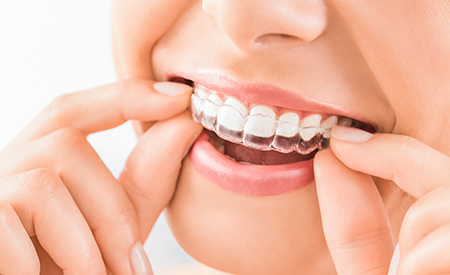
Your aligners are customized for you
Your clear aligners are created using industry leading technology based on your customized treatment. Your aligners are created with comfort in mind.

Pick up your first aligners
From the first day of treatment to the last, you're never on your own — your doctor will be with you every step of your way.
The difference is clear
Explore the true stories and journeys of several Invisalign patients
*Invisalign is a registered trademark of Align Technology, Inc.
Frequently Asked Questions
+I want to straighten my teeth but I don't want metal braces. What are the alternatives?
There are many options for patients who want to avoid metal braces! The most popular alternative orthodontic treatment is Invisalign®, which are clear plastic aligners designed to straighten teeth. After an examination of your teeth, your dentist will determine which option is best suited to your wants and needs.
+Is Invisalign® expensive?
According to the Invisalign® website, the cost for treatment is approximately the same as the cost for metal braces. A portion of this cost may be covered by your insurance. Please call Aarisha Dental to set up a consultation and discuss potential payment plan options.
+How does Invisalign® work?
The first step is to schedule a consultation with your doctor, so they can devise a treatment plan that is best suited to your individual dental needs. Once approved, you will receive your first set of aligners. Your doctor will then regularly monitor the movement of your teeth and new aligners will be ordered according to the progress made in your treatment plan.
+What is Invisalign® made of?
Invisalign® aligners are made of clear, flexible plastic. The company received a patent for this material – SmartTrack® – to be used exclusively for Invisalign treatment purposes. These aligners are FDA approved and nearly invisible!
+How long does Invisalign® treatment take?
Your doctor will give you an estimate regarding how long your Invisalign® treatment should take, which will depend on your specific needs. The average length of time for treatment is approximately 12-18 months. However, some patients may see results far sooner. Remember to wear your aligners exactly as instructed by your doctor to obtain the best results.
+Are Invisalign® results permanent?
Your doctor will most likely recommend that you wear retainers following your Invisalign® treatment. This is a precaution that will prevent your teeth from shifting back to their original positioning. It is important to follow your doctor's instructions exactly to ensure long-lasting results.
+How often must I wear my aligners?
You must wear your aligners for up to 22 hours daily. You may remove them for eating, drinking and regular oral hygiene.
+Are there any restrictions to what I can eat while in treatment?
No. Unlike braces, you may eat whatever you like as long as you remove the aligners before eating. Prior to placing the aligners back on, it is important to brush your teeth and the aligners after you eat.
+Will wearing the aligners affect my speech?
Like any orthodontic treatment, there is a short adjustment period. The more you speak with the aligners on, the quicker you will adjust.
+Is there any discomfort with Invisalign® treatment?
There will be some pressure and minor discomfort for a day or two after each initial insertion. This is a sign that your teeth are moving sequentially into their final position.
+Can I chew gum?
It is recommended that you remove your aligners prior to chewing gum as the gum will stick to the aligners.
+Can I smoke with the aligners in?
We discourage smoking with aligners as the cigarette smoke will tend to discolor them.
+How do I keep my aligners clean?
Brushing them with toothpaste will keep them fresh and clean.
+How often do I see an orthodontist while wearing Invisalign®?
Regular office visits are every five to six weeks. This will ensure that your Invisalign treatment is progressing as planned.
+What happens after my treatment is complete? Do I need retainers?
All orthodontic patients are instructed to wear their retainers at night indefinitely. Sleeping with your retainers in at night will ensure a healthy bite and maintain the new position of your teeth.
+How long does Invisalign treatment take?
Treatment time varies depending on the severity of the misaligned teeth. Treatment time can be shorter than traditional braces, between six and 18 months.
+Does Invisalign work for kids?
Yes, if their teeth, including second molars, have grown in completely.
LANAP, or Laser Assisted New Attachment Procedure, is an advanced method of treatment for gum disease that enables certain periodontal procedures to be performed in a safer, more precise and less invasive manner than with traditional surgical methods. Using LANAP, cases of periodontitis can be addressed without the pain, gum line recession, or increased tooth sensitivity that is often associated with other treatments that are used at this stage of periodontal disease.
A LANAP Procedure, employs a PerioLase® MVP-7TM laser to selectively vaporize the inflamed and diseased tissue beneath the gum line that is inside of a periodontal pocket, while leaving the healthy tissue intact. This advanced laser technology also targets and kills the bacteria that cause gum disease and helps to facilitate the healthy reattachment of supporting tissues to the surface of the tooth’s root. Since treatment with LANAP effectively reduces the depth of periodontal pockets and promotes the regeneration of bone around a tooth, it may also be helpful in saving a periodontally involved tooth that might otherwise have an unfavorable prognosis. Furthermore, as LANAP is a minimally invasive method, the patient experiences less discomfort and less bleeding both during and after treatment. In addition, recovery time from the procedure and healing at the site of treatment are quicker.
One of the significant advances in modern dentistry has been the development of dental laser technology. Today, dental lasers are being increasingly used to treat tooth decay, periodontal disease, perform biopsies or the removal of oral lesions, to cure restorative (filling) materials, as well as to activate in-office teeth whitening systems.
Dental lasers combine laser energy with water and air to safely cut and shape target soft or hard tissues in the mouth. Laser energy precisely cuts through tooth structure by exciting the water molecules in the tooth. It operates without direct contact to the tooth without heat, vibration, or pressure thereby minimizing the discomfort of the procedure and the need for dental anesthesia. In addition dental lasers can reduce anxiety for patients fearful of dental work, minimize post-operative bleeding and swelling, and preserve healthy tooth structure during the removal of decay.
While dental lasers may be an excellent treatment option in some situations, they cannot be used for every dental procedure.
Chronic jaw clenching and grinding one’s teeth is called bruxism. While it can happen any time of day, it often occurs at night causing an individual to wake up with any number of symptoms including jaw pain, headaches, and sore teeth that may feel loose. Although, stress and anxiety are the most common causes of bruxism there may be other contributing factors such as a sleep disorder, an abnormal bite, as well as teeth that are missing or poorly aligned.
To alleviate the symptoms of bruxism, wearing a night guard while sleeping is frequently recommended. This appliance is designed to fit over the teeth and to keep the jaws slightly apart. Wearing a night guard prevents a number of damaging events, including muscle strain, excessive pressure on the jaw joint (the TMJ), and such dental damage as chipped or cracked teeth resulting from the teeth grinding against each other.
In addition to preventing damage to the soft and hard tissues surrounding the orofacial cavity, a custom night guard fabricated at the dental office can help curb a bruxism habit and give the wearer a better night’s sleep.
Oral cancer accounts for 2.9% of all diagnosed cases of cancer in the United States. According to the American Cancer Society it is estimated that 51,000 people across the country will develop oral cancer this year and that 10,000 fatalities are expected from the disease.
Oral cancer can occur anywhere in the orofacial complex but is most often found on the tongue, the tonsils and oropharynx, the gums, floor of the mouth, lips, cheek lining or the hard palate. While the disease can affect anyone, men are twice as likely to develop oral cancer as women. Those particularly at risk for oral cancer are men over the age of 50 who are heavy smokers and frequently drink alcohol. Additional risk factors may include UV exposure from the sun or sunlamps, GERD (gastro-intestinal reflux disease), prior head and neck radiation treatment, exposure to certain chemicals and poor diet. While the death rate from oral cancer has been decreasing in the past several decades thanks to early detection and advanced methods of treatment improving the outcomes of care, there has been a recent rise in the incidence of oropharyngeal cancer due to increased transmission of the sexually transmitted human papillomavirus (HPV).
As part of a comprehensive exam, the dentist will perform a screening for oral cancer. To start, the dentist will review the patient’s medical and dental histories and ask if there have been any changes to his or her oral health or overall health. The dentist will then carefully check in and around the oral cavity as well as the head and neck area for signs or symptoms that may indicate the presence of a problem
At the office of Aarisha Dental, we emphasize taking a proactive approach as the best way to maintain a healthy, beautiful smile. By coming to our office as recommended for checkup visits and routine care, we can help you and every member of your family prevent the onset and progression of many oral health problems. As skilled and experienced providers of care, we offer a comprehensive range of preventive services, including examinations, professional teeth cleanings, and oral cancer screenings, along with patient education on hygiene, diet, and healthy practices.
What Happens at the First Checkup Visit?
Your first visit to our office establishes your oral health baseline and provides essential information on your dental interests and needs. We begin by carefully reviewing your medical and dental histories and taking special note of all of your dental concerns, as well as any symptoms that you may be experiencing. This initial conversation is followed by a thorough clinical examination, including an oral cancer screening, periodontal evaluation, and an analysis of your occlusion (bite). To perform a comprehensive oral exam, we'll recommend and take diagnostic films as needed. As we take a close look at your smile, we'll examine your teeth, the supporting bone and soft tissues, and the surrounding areas of the mouth, head, and neck. We'll make a note of any signs of clenching or grinding your teeth and assess your TMJ (temporomandibular joint) function. A comprehensive oral exam can also reveal the consequences that certain dietary choices, eating disorders, medications, harmful habits, and inadequate oral hygiene practices may have on your smile.
We want every patient to enjoy the benefits of a healthy and beautiful smile. At the office of Aarisha Dental, you can rest assured that your oral exam is performed with the utmost care and that every member of our team is sensitive to your needs. Based on your oral exam findings and what we see on your diagnostic films, we'll outline what further treatment, if any, may be needed and discuss all your options in care.

A Healthy Smile is Vital to Your Overall Well-Being
At the office of Aarisha Dental, we recognize that a healthy smile is more than just an attractive asset; it is also essential to one's overall well-being. Harmful conditions affecting your teeth, gums, jaws, and structures in and around the oral cavity can impact your overall well-being. As we perform an oral exam and check for the development of common dental conditions such as tooth decay or gum disease and screen for oral cancer, we also take note of any signs of problematic health issues that may have originated elsewhere in the body.
Today, researchers are establishing more and more links between poor oral health and systemic disease. Mounting evidence supports the idea that dental disease contributes to a range of health issues, including the following conditions:
-
Digestive disorders
-
Respiratory Problems
-
Cardiovascular Disease
-
Stroke
-
Diabetes
-
Alzheimer's Disease
The reverse is also true. Just as oral health problems can be linked to systemic illnesses, diseases in the body can likewise produce oral health issues. According to statistics, more than 90% of all systemic diseases (conditions affecting organs and systems in the body) can manifest signs and symptoms in the oral cavity. Experiencing dry mouth, bad breath, gum problems, ulcerations, or other oral lesions may be indicative of an underlying medical condition.

The Importance of Routine Checkups and Professional Dental Cleanings
Enjoying a smile that looks good and functions at its best is not something you can take for granted. To maintain optimal oral health and a vibrant smile requires an effective dental hygiene regimen, a nutritious diet, routine checkups, professional cleanings, and a comprehensive program of preventive care.
Remember, it's important not to hold off seeing the dentist until you're in terrible pain or think there's something wrong. By scheduling a routine appointment for a comprehensive dental checkup and professional cleaning, we can help you keep your smile looking and functioning at its very best.
Our office encourages patients to come in twice a year for routine checkups and professional cleanings. In this way, we can monitor your oral health, reduce your risk of dental disease, and detect any issues early in their onset when they are typically the simplest to treat.
While maintaining a healthy smile depends upon keeping your teeth and gums clean at home, even for the best "brushers" and "flossers," it's difficult to reach every nook and cranny between the teeth and gums. For this reason, we emphasize the importance of professional teeth cleanings. In this way, our hygienist can thoroughly remove any accumulated plaque and tartar from between the teeth and gums, including areas that you may have missed. Since dental plaque harbors the bacteria that are responsible for cavities and gum disease, its removal prevents these disease processes from occurring. Following a dental cleaning and polishing to remove any superficial stains from your teeth, your mouth will feel fresh and clean.
Checkup and cleaning visits also represent an opportunity to educate patients in the best oral hygiene homecare methods and routines to maintain a healthy smile. As your trusted partner in care, we'll carefully explain and demonstrate the proper techniques for brushing, flossing, and other healthy oral care practices.
Even though proper dental care is essential at every stage of life, it's especially important for children to establish a strong foundation for a lifetime of oral health. With routine checkups, preventive treatment, and age-appropriate education in the best methods for taking care of their teeth, we can help your little ones protect their smiles from dental disease. We also monitor your children's dental and jaw development as they grow; keeping a close watch to determine if any orthodontic intervention will be needed to align their smiles.
Our goal is to help you and every member of your family establish healthy practices that will last a lifetime. At the office of Aarisha Dental, we're proud of the reputation we've established for providing skilled and compassionate care. We work hard to make every visit to our office a positive experience while building long-standing relationships with our patients and achieving outstanding treatment outcomes.
What Do Dental X-Rays Show?
Although we perform a thorough visual inspection of every aspect of your smile, the only way to see the deeper structures of the teeth, as well as the surrounding tissues and bone, is with dental x-rays or radiographs. Diagnostic x-rays not only reveal the presence of dental disease, but they also provide valuable information on the development, health, and integrity of teeth and orofacial structures.
Thanks to advances in technology, x-rays have entered the digital age. Instead of using traditional film-based methods, which involved long-exposure times and developing solutions, digital x-ray images can now be acquired, stored, and managed via digital sensors and integrated software programs.
Digital radiography offers several benefits to the patient, including the following:
-
Quicker with minimal exposure to x-ray radiation
-
Images can be viewed immediately after acquisition
-
Images can be electronically shared
-
Digital radiographs do not require any developing chemicals, create less waste, and are safer for the environment
-
Images are immediately stored in the patient's electronic file, where they can be easily viewed on a screen, shared, or printed out.
What Are the Different Types of Dental X-Rays?
The type of diagnostic images our office will recommend depends on the nature of your visit and your oral healthcare needs.
Here's a list of some of the most common diagnostic films and the value of these images:
-
Periapical x-ray - This small film is typically taken of an individual tooth and provides a view of the entire tooth from the top of the crown to the tip of the root and bone adjacent to it.
-
Bitewing x-ray - This small film captures detailed views of the crowns of the premolars or molars and is typically used to check for dental decay.
-
Full Mouth Series - This set of x-rays consists of bitewing and periapical views of all the teeth.
-
Panoramic Film (panorex) - This film provides a 2D panoramic view of all the teeth and the left and right sides of the jaw. It offers a view of erupted teeth, developing teeth, impacted teeth, and allows an assessment of the health and integrity of the jawbone.
-
Cephalometric Film - This film provides a profile view of the face and jaws and is often used by orthodontists to assess a patient's skeletal facial and jaw growth.
Today, it's also possible to capture detailed three-dimensional images for diagnostic purposes, treatment planning, and the delivery of care. By using Cone-beam computed tomography (CBCT) your dentist can acquire, analyze, and reconstruct 3D images of a patient's teeth, jaws, and surrounding anatomy. This technology is often employed for diagnosis, surgical planning, treatment, and the accurate placement of dental implants.
Frequently Asked Questions
+Are you accepting new patients?
Yes. We always welcome new patients and their families for care. Feel free to give us a call or reach out to us online to schedule a first visit or for any additional information on our office. We look forward to hearing from you!
+How often do I need to get a dental checkup?
Routine dental checkups and professional cleanings help ensure your smile remains in tip-top condition and that any developing problems receive the prompt care they require. While it's a good idea to schedule a checkup and cleaning twice a year, longer or shorter intervals between routine visits depend on your specific needs.
+What if I haven't been to the dentist in a long time?
We understand that life gets complicated and busy, and for various reasons, you haven't been able to get to the dentist for care. Don't worry; it's always a good time to get back in touch with the health of your smile.
At Aarisha Dental, we offer skilled and compassionate care to address a wide range of dental needs. Whether you need a simple checkup and cleaning, restorations, periodontal treatment, root canal therapy, or the replacement of missing teeth to get your smile back into shape, we provide precise, gentle, stress-free treatment to give you a smile that is as beautiful as it is healthy.
Give us a call today; we're happy to address all your questions and concerns about getting your smile back in tip-top condition.
+Should pregnant women get a dental checkup?
For pregnant women practicing good oral care and seeing the dentist to maintain a healthy smile is considered an important component of prenatal care. Researchers have found that pregnancy not only increases the risk of oral health problems, but these problems may also lead to pregnancy complications. At the office of Aarisha Dental, we provide the skilled and compassionate care required to help expectant mothers keep their teeth and gums in tip-top condition. While certain procedures are not recommended during pregnancy, we provide the necessary care and take all the necessary precautions required.
+How can I improve the appearance of my smile?
Thanks to advances in modern dentistry, teeth that have been affected by a range of imperfections or that have sustained damage from trauma or dental decay can be restored to produce a naturally beautiful looking and functional smile.
As skilled and experienced providers of care, our office can effectively improve and enhance the appearance of teeth that are stained, discolored, misshapen, chipped, fractured, gapped, crowded, or broken down due to dental decay. At the office of Aarisha Dental, we offer a comprehensive selection of the leading-edge cosmetic solutions from teeth whitening procedures, dental bonding, tooth-colored fillings, and veneers, to prosthetic solutions and dental implants to rebuild complete and beautiful smiles.
Contact our office to learn more about the many ways we can help you create the smile you've always wanted.
+How should I prepare for my dental appointment?
If you're visiting Aarisha Dental for the first time, it is helpful that you contact your former dental office and have your records sent over to us. Make note of any problems you may have so that you can discuss them with your dentist.
To provide efficient service, we ask you to please bring your insurance card, an ID, plus any referral slips or diagnostic records given to you by another office. If you are taking medications, please note or make a list of what they are as you will need to provide that information. If you'd like to save some time, you can fill out some of our forms online.
+Does Aarisha Dental treat patients of all ages?
Yes! We assure you that both you and your family will be in good hands at the office of Aarisha Dental.
+What if I'm anxious about seeing the dentist?
We do our best to make sure every patient who steps into our office for care is put at ease. We provide precise and gentle care and our skilled, compassionate team strives to make every visit stress-free. You can rest assured that your smile is in the best of hands and that we are doing all we can to ensure your comfort throughout every procedure. While we always take the time to explain every step in care, feel free to ask us any questions about local anesthesia and methods of dental sedation.
+How much does dental treatment cost?
At the office of Aarisha Dental, we strive to provide the highest quality of care to address all your dental needs. Once we've had the opportunity to examine your smile, we can give you a clear picture of any dental issues that are present, along with a quote for what the cost of treatment will be. The cost of care all depends upon the extent and complexity of issues affecting the health or appearance of your smile and the types of procedures that are required. Our goal is to make dental care more affordable so that you can begin treatment without any additional stress or delay.
Keep in mind that with routine dental checkups and periodic care, we can help prevent dental disease while treating emerging problems early in their onset to avoid larger issues and more expensive care down the road.
+What if I have dental insurance?
Routine dental checkups and preventive care procedures may be covered under your dental insurance plan requiring little to no out-of-pocket expense. We invite you to speak to an expert in our business office who will advise you of your plan, and if you have any other questions about dental insurance, dental savings plans, forms of payment, or financing options. We welcome your inquiries and do our best to help you begin care without additional stress or delay.
+What is the best method of replacing missing teeth?
If you've lost a tooth due to injury, decay, gum disease, or any other reason, we recommend dental implants to replace missing teeth. Dental implants come the closest to replicating the look, feel, and function of your natural teeth.
+Is flossing as important as brushing?
Absolutely! Both flossing and brushing regularly are equally important to maintain your oral health. While brushing cleans the surface of your teeth, flossing cleans in between them. Flossing is important to prevent plaque buildup, which can cause gums to recede and lead to periodontal disease.
+Do you still need to see a dentist if you have dentures?
Even if you have dentures, it is still necessary to see a dentist! Dental checkups help ensure that your dentures are comfortable, fitting properly, and that there are no other problems. Beyond assessing your dentures, our dentist will also perform a thorough examination of the jawbone, and surrounding soft tissues both inside the mouth, the face, and neck, to confirm that you remain in good oral health.
+What should I do if I have a dental emergency?
Emergency dental care is a service we hope you'll never need- but if you do, the office of Aarisha Dental is here for you!
Whether you're suffering from a chipped tooth, toothache, or any problem affecting your oral health, you can be sure to get the prompt attention and compassionate care you require at our office. Patient care and comfort are our top priorities, and we offer a comprehensive range of the most advanced services to address a broad spectrum of dental needs.
While the pain of a toothache is one of the more common reasons that patients come to our office for emergency dental care, we also promptly treat emergencies that are not necessarily painful like crowns that have been dislodged and broken dentures that leave embarrassing gaps in one's smile.
You can rest assured that your oral health is in the best of hands at our office. We'll quickly determine exactly what's wrong, explain your treatment options, and then provide the precise and gentle care you require to alleviate your discomfort and get you back on the path to oral health and wellness.
Your health and comfort are our top priorities. If your dental emergency is painful, if it affects the appearance of your smile, or if you suspect that an infection is present, our office will make every effort to see you as soon as possible for care.
+Why choose the office of Aarisha Dental?
At the office of Aarisha Dental, we welcome patients of all ages for care and offer a comprehensive range of services designed to help every member of your family maintain a beautiful and healthy smile. Whether you or a loved one needs a routine checkup and cleaning, fillings, same-day crowns, a cosmetic smile makeover, the replacement of missing teeth or require the services of a skilled and compassionate emergency dentist, you can rely on our office for the highest quality care.
For more information on our office and the many services we provide, or to schedule an appointment for care, give us a call today.
Orthodontic Treatment
A healthy, functional, and attractive smile requires teeth that are straight and jaws that are well aligned. While some people have a naturally well-aligned smile, many seek orthodontic treatment to correct overcrowded teeth, a gapped smile, or teeth that have drifted out of position due to extractions, harmful oral habits, and abnormal bite patterns. In some cases, orthodontic treatment goes beyond moving the teeth into their correct positions. Orthodontic care can also address the cosmetic and functional problems associated with skeletal discrepancies between the upper and lower jaws.
Orthodontic treatment utilizes customized appliances to apply controlled, incremental forces that gently move the teeth into proper alignment. While conventional metal braces were once the only option in care, patients today have several choices. Thanks to advances in technology and innovations in care, a wider selection of treatment systems is available. These days, orthodontic appliances are far less bulky, much less noticeable, and more comfortable than earlier generations of braces.
The type of orthodontic treatment and the length of time a patient undergoes care varies, depending on the nature of the case. Orthodontic treatment ranges from the minor movement of a single tooth to the alignment of an entire bite. Although certain corrections can be achieved in a few months, more extensive ones can take a couple of years.
At the office of Aarisha Dental, we understand all aspects of oral health and the cosmetic requirements of a beautiful smile. We’re passionate about what we do and remain dedicated to helping every patient enjoy the benefit of a great looking and healthy smile. We offer a comprehensive selection of dental services to help both adults and children improve the alignment, appearance, and health, of their smiles.
The Importance Of A Well-Aligned Smile
There’s more to a straight smile than the sheer beauty of it. Well-aligned teeth support good oral health, optimal jaw function, and contribute to your overall well-being. Although every smile is different, the potential consequences of teeth that are either overcrowded, have spaces between them, have shifted, or don’t come together in an ideal way remain the same.
Here are some reasons why a well-aligned smile is more than just an attractive asset:
-
Straight teeth are easier to keep clean. Simply put, it’s easier to brush and floss your teeth. With fewer inaccessible nooks and crannies for food to get trapped, your risk of tooth decay and gum disease is lower.
-
Teeth that meet correctly and are not crowded, stick out, or protrude, are protected, as they should be by the lips and soft tissues surrounding the mouth. They are less vulnerable to trauma, getting “knocked out” or damaging fractures.
-
Straight teeth make all manner of oral function easier. The result is that you can bite into your food, chew, and speak, without difficulty or impediment.
-
Teeth and jaws that are well-aligned mean less wear on the teeth. When teeth don’t line up or meet as they should, they often exhibit uneven and excessive areas of wear.
-
A good bite supports temporomandibular joint health and function. A less than ideal occlusion can affect your oral function and comfort. TMJ disorders are associated with a wide range of problems, including headaches, jaw pain, difficulty opening and closing your mouth, as well as other types of head and neck pain.
-
With good oral health and well-being mutually dependent upon each other, a well-aligned smile is essential to overall wellness.

What Type Of Braces Are Right For Your Smile?
At the office of Aarisha Dental, we provide integrated care to help children and adults enjoy the benefits a well-aligned, beautiful, and healthy smiles. Whether your visit to our practice is for a dental checkup or consultation visit, we’ll assess the look, health, and function of your smile and advise you if orthodontic treatment is right for your smile.
We also keep a very close watch on your child’s developing smile and will let you know the best time for an orthodontic consultation and care. From checking the emergence of the baby teeth, jaw development, and oral habits to the premature loss of a baby tooth and the eruption and alignment of the permanent teeth, we carefully monitor your child’s smile as they grow.
Even though the best time to begin care is as a growing child, the truth is that one is never too old for orthodontic treatment. Today more and more adults choose orthodontic care with successful, healthy, and satisfying treatment outcomes.
However, with all the choices in types of braces and systems of care marketed today, it can often feel confusing which approach is best. Whether or not fixed, conventional braces, aligners, removable appliances, or other care offer the best way to achieve optimal and timely results depends on several factors.
Which type of braces provide an effective approach for achieving healthy, attractive, and stable results depends on several factors, including:
-
The severity of the malocclusion or bite problem
-
The degree of crowding or spacing of the teeth
-
If dental extractions are required
-
The relationship between the upper and lower jaws
-
How long appliances are needed
-
If any additional, supportive appliances are required
-
Patient compliance with oral hygiene, appliance maintenance, and wear

Innovations And Advances in Care
As orthodontic treatment has become more widely available, and the appearance of braces has improved, the number of people getting orthodontic treatment has skyrocketed. Over four million people in the United States alone wear orthodontic braces, with 27% of this number being adults.
In the past few decades, advances in care have facilitated more precise treatment planning with appliances that are less bulky, more efficient, and increasingly cosmetic.
Some of the most notable innovations in care include the following:
-
Smaller and streamlined bracket metal bracket design
-
Clear, cosmetic brackets
-
Self-ligating braces
-
Lingual Braces
-
Clear Aligners
-
3-D Imaging with CBCT
-
Digital Impressions
-
Intraoral Scanners and 3-D Planning Software
-
Temporary Anchorage Devices (TADs
-
Accelerated Orthodontics
Orthodontic Treatment With Clear Aligners
Since their arrival on the scene over two decades ago, clear aligners have revolutionized the delivery of orthodontic care. Continuing to soar in popularity, this innovative method of care offers many patients a more discreet, comfortable, and convenient solution for improving the alignment of their smiles.
Treatment that’s virtually invisible to the outside world
Custom-made to the exact specifications of a patient’s smile, clear aligners are designed to gently and incrementally move the teeth into their correct positions. As patients swap out one aligner for the next one in the prescribed series, they’re able to witness progressive improvements in their smiles. Best of all, with treatment that is virtually invisible to the outside world, no one but the patient knows they are undergoing orthodontic care.
Now that orthodontic care has entered the age of aligners, more patients are deciding it’s time to straighten their smiles.
By transforming smiles with minimal interference to daily activities, clear aligners allow patients to enjoy eating all of their favorite foods and engage in recreational activities without the fear of breaking their orthodontic appliances or sharp poking wires. Moreover, as the aligners are completely removable, there’s no need to struggle to brush and floss in between orthodontic brackets and wires.
While clear aligner therapy is a solution for every type of malocclusion, orthodontic treatment with this innovative method of care offers an excellent option for many image-conscious teens and adults.
At the office of Aarisha Dental, we maintain a position at the forefront of advances in care to provide patients with the highest quality services. Whether you are a candidate for treatment with clear aligners, or another method of orthodontic care, we’ll help you achieve a well-aligned and attractive smile.
Orthodontic treatment for children
While some children require early intervention or an initial phase of care, most youngsters begin orthodontic treatment between the ages of 9 and 14. At this time, they are generally in the mid to late mixed dentition stage. This means they have a mix of permanent front teeth, permanent molars, and some baby teeth.
The benefit of placing braces at this stage is that the orthodontist can improve the alignment of permanent front teeth, guide the incoming new adult teeth into position, and utilize the child’s growth and development to the best advantage.
Braces are generally worn for one to three years with an average treatment time of two years. If a child requires a space maintainer, habit control therapy, or exhibits significant jaw disharmony, treatment may begin earlier.
After orthodontic appliances are removed retainers are worn for a period of time to stabilize and maintain the results.
For adults seeking orthodontic care
With the wide variety of orthodontic treatment options available to adults, the process of wearing braces is more convenient, more comfortable, more efficient, and much less conspicuous than ever before. Bulky metal braces are truly a thing of the past. The latest generations of metal appliances are substantially smaller and less unsightly than their predecessors. Moreover, an adult interested in orthodontic care can select braces that are hardly visible at all. Today’s tooth-colored ceramic braces, lingual braces, or removable clear aligners can all effectively deliver treatment to achieve successful and pleasing outcomes of care.
For adults seeking orthodontic care, it’s essential to keep in mind that achieving a successful outcome relies on healthy teeth and supporting bone. Adults seeking treatment sometimes exhibit the damaging consequences of uncorrected bites and poorly aligned teeth. Because their teeth are so jumbled and hard to clean, they may have extensive dental decay, display signs of gum disease, exhibit bone loss, or even had extractions. They may also suffer from worn-down teeth or TMJ joint dysfunction.
While it’s critical to address outstanding dental issues before the start of orthodontic care, it’s also important to continue maintaining the health of the teeth and surrounding tissues both during and following treatment.
Although adult orthodontics requires an investment of time and resources, the payoff is well worth it. The value of a healthy and attractive smile is priceless. Thanks to modern orthodontics, having teeth that look good and function well is something that can be enjoyed at any age.

Maintaining A Beautiful Smile
Everyone who has worn orthodontic appliances can attest that the day their braces or appliances are removed is a happy and gratifying time. Achieving a beautiful, well-aligned, and functional smile is the ultimate reward for having made a commitment to orthodontic care.
Almost every individual who has undergone orthodontic care will need to wear some type of retainer for a prescribed period of time. Retainers help to protect the teeth from relapse.
One of the reasons retainers are needed is because the teeth have a tendency to move back towards their original positions. The delicate fibers connecting the teeth to the jawbones have elastic memory. Once orthodontic appliances are removed, these fibers want to rebound to their natural positions and move the teeth out of their new alignment. Wearing retainers allow these fibers to reorganize in their new positions and to reset their memory.
Retainers are also extremely important because the teeth are part of a complex masticatory system and subject to forces that cannot always be predicted or controlled. Even after orthodontic treatment, any number of things such as tongue or lips postures, unfavorable growth of the jaws, oral habits, and periodontal problems can disrupt teeth alignment.
Remember, the benefits of orthodontic treatment can last a lifetime. Committing to wearing retainers is the best way to preserve your smile and to keep your teeth as straight and beautiful as the day your braces were removed.
FAQs
+When should my child get evaluated for orthodontic care?
Most parents wonder when is the best time to have their child evaluated for braces. One common misconception regarding orthodontic treatment for children is to wait until all of the permanent teeth (with the exception of the wisdom teeth) are present. This belief is not the case. Most problems involving the alignment of your child’s teeth and jaw growth are identifiable by the time your little one is in the first or second grade. That is why the American Association of Orthodontists recommends that all children have a checkup with an orthodontic specialist no later than age 7.
+How long do you have to wear braces?
It is important to keep in mind that aligning the teeth and the jaws does not happen overnight. Whether you are wearing conventional braces, clear aligners, or any other type of appliance, orthodontic movement is a gradual process. Orthodontic tooth movement is based on the use light and continuous forces to correct your bite in an incremental, predictable, and healthy manner.
The total duration of orthodontic care, not including wearing retainers to maintain the result, depends on a number of factors. Treatment time can be influenced by such factors as growth as well as your compliance with care. On average comprehensive orthodontic care to correct a malocclusion can take anywhere between 18-36 months. Orthodontic treatment for more limited problems with tooth alignment typically ranges from 6 to 18 months.
+How often do you need to be seen after your braces are placed?
Because orthodontic movement takes time, most appointments after the initial placement of appliances are scheduled approximately four to eight weeks apart. This interval gives your teeth time to move at both a steady and healthy pace. However, there may be situations where more frequent visits to evaluate the status of your case, tooth movement, or to have a special adjustment are required.
+Can adults wear braces?
Empowered by the knowledge that one is never too old to have orthodontic care, greater numbers of adults are actively seeking treatment for either crooked teeth or jaw problems, as well as to address teeth that have shifted over time due to extractions, habits, or abnormal bite patterns.
Teeth can be moved at any age. Orthodontic treatment as an adult can completely transform an imperfect and poorly aligned smile into one that is attractive and functions well. However, initiating orthodontic care and achieving a successful outcome relies on the presence of healthy teeth and supporting bone. For these reasons, it is important for adult patients to address any outstanding dental problems before their appliances are placed and to be diligent in maintaining their oral health throughout care.
+How much do braces cost, and does dental insurance cover treatment?
Enjoying the benefits of a well-aligned smile often means investing in orthodontic care. With that said, the cost of treatment can vary. It all depends on the extent and type of treatment required to align the teeth and correct the malocclusion. Many dental insurance plans provide some coverage for orthodontic treatment for children under the age of 18 years. To help with any out-of-pocket expenses or to cover the entire cost of care in the absence of dental insurance benefits for treatment, payment plans and financing are available.
At the office of Aarisha Dental, the health and development of your child's smile are our top priorities. Our goals are to help children establish a strong foundation for a lifetime of good oral health and experience the benefits of healthy, beautiful smiles.
Excellent Oral Health Begins With Good Oral Care
All parents want what's best for their families. When good oral care, including routine dental checkups, start at an early age, our office can closely monitor the development and health of your child's smile as they grow. It's essential to keep in mind that preventive care and timely treatment for any emerging dental issues not only helps to ensure ongoing oral health but also supports overall well-being, and contributes to a positive self-image.
You can rest assured that your child's smile is in the best of hands at our office! We provide gentle and precise care in an environment that's comfortable, warm, and engaging. At the office of Aarisha Dental, we offer a comprehensive range of dental services designed to address the dental needs of children of all ages. Whether it's your little one's first trip to the dentist, a routine visit, treatment for a dental emergency, or more, we're well equipped to provide the care that's needed.
We take a proactive approach and emphasize the importance of dental prevention as the key to good oral health. We provide you and your child with the resources as well as the tools to establish an effective brushing and flossing routine and offer nutritional guidance and advice on potentially harmful oral habits. Our entire team strives to make each visit with your child a positive, informative, and beneficial experience.
The Importance Of Regular Checkups And Routine Care
Studies show that children and teens lose an estimated 51 million school hours each year to dental problems. To help your child maintain optimal oral health and a smile that's healthy and bright, we recommend dental checkups and cleanings twice a year.
As skilled and compassionate providers of care, we understand all aspects of dental development and are sensitive to the unique needs of children. At each periodic exam, a member of our professional team will review your child's medical and dental history and then perform a thorough clinical assessment of the teeth, gums, jaws, and the surrounding oral tissues. We'll also check your child's bite, jaw alignment, and function.
Because it's vital to see what's going on below the surface, we'll take digital radiographs as needed, to check for the presence of any cavities, or infection and to evaluate the position of your child's developing teeth and the health of jaw bone. We'll also perform a professional dental cleaning to eliminate any plaque or debris that has accumulated between the teeth or in hard to reach places.
Tooth Decay Is The Single Most Common Chronic Childhood Disease
At every stage of your child's development, we'll advise you on the most effective methods of keeping his or her teeth clean and discuss the foods, beverages, and harmful oral habits that can lead to problems. While it can be difficult sometimes to get children into a regular oral hygiene routine, we'll give you tips and advice on how to make brushing and flossing a fun part of their daily activities. As your trusted partner you can rely on the office of Aarisha Dental to keep a close watch on your child's oral health and development.
By following these simple guidelines, you can help your child maintain optimal oral health and develop a positive attitude towards dental care:
-
Establishing a dental partnership when your child is small
-
Keeping your baby's and toddler's teeth clean
-
Not allowing your baby to sleep with a bottle of milk or juice.
-
Bringing your child to the dentist for routine checkups and care
-
Leading by example and encouraging the recommended tooth brushing and flossing routine
-
Promoting wise dietary choices and healthy snacking, including replacing sugary drinks with water and limiting sweets
-
Providing supportive guidance to help your child put away their pacifier and stop thumb or finger sucking at the appropriate time
-
Making sure your child wears a mouthguard when playing specific sports

Your Baby's Smile
Even before your child is born, your little one's first set of teeth is already forming. As a matter of fact, by the time your baby is a year old, some of the front teeth will have already emerged into place. For this reason, it's essential to establish an oral care routine at an early age. As per the recommendations of the American Dental Association and the American Academy of Pediatric Dentistry, parents are encouraged to have their baby see the dentist around the time of their first birthday.

More On Dental Care For Children and Teens
Childhood is a time of incredible physical and emotional changes. As kids go through several stages of development, so do their teeth. Many things, including both genetic and environmental factors, contribute to the health and appearance of your child's smile. While some issues cannot be prevented, there's still a lot you can do to help ensure your child experiences optimal oral health and develops an attractive, functional smile. Our office will make sure your children are instructed in the best methods for caring for their teeth and will provide them with useful, age-appropriate information on following a healthy diet as well as make them aware of which oral habits and activities may be harmful to their teeth and overall well being.
Assessing Facial Growth And Dental Development
In addition to checking for the presence of dental disease, we also monitor your child's facial growth, jaw development, and alignment of their smile. If orthodontic treatment is indicated, we'll advise you of our recommendations for care. Since many children and teens wear braces, paying extra attention to what they eat and how they maintain their oral hygiene is of the utmost importance.
Good nutrition is essential for a healthy smile
Beyond good oral hygiene and routine dental care, a balanced, nutritious diet is essential for a healthy smile in a growing child. Sticky, sugary foods and drinks are not only harmful to children's oral health but also detrimental to their overall well-being. A diet rich in nutrients is critical for optimal growth and development and keeping the teeth and gums strong.
FAQs On The Topic Of Your Baby's Smile
+When will my baby's first tooth appear?
A baby's first teeth begin to appear in the 6 to 12-month range. Typically, it's the two lower front ones that appear first. The baby teeth come into place from the front of the mouth and then on to the back. With that said, most children will get all of their baby teeth by the time they are three.
+How should I clean my baby's new teeth?
For babies with new teeth just emerging, we may recommend just a washcloth or infant toothbrush to start. As your baby grows and more teeth come into place, an age-appropriate soft bristled brush, and a tiny dab of toothpaste will be recommended. One word of caution; be careful that your child does not swallow the dab of toothpaste. When your child gets older, we will teach him or her more about the responsibilities of self-care and oral hygiene.
+What should I do if my baby is teething?
While getting teeth is an important milestone in a baby's development, it's essential to be aware that teething can make a baby quite irritable. Your little one may act fussy, have trouble sleeping, avoid eating, and drool quite a bit. While you are powerless to speed up the process of teething, there are a few things that you can do to soothe your baby as their new teeth are erupting into place. Common approaches to helping your baby feel more comfortable while getting their new teeth include safe teething rings, a cold spoon, or a moist gauze rubbed over their gums. Remember, you can always call our office if you have any concerns.
+Why are baby teeth so important?
The first set of teeth not only makes it possible for your baby to smile, eat, and speak, but they also play the critical role of serving as placeholders for the permanent teeth. Losing a baby tooth too early can potentially result in a misaligned smile.
+Can babies develop tooth decay?
When caring for your child's smile, it's important to remember that baby teeth are just as susceptible as the permanent teeth to decay. In fact, more than 50% of children develop cavities before the age of five. Not only does tooth decay pose a risk to the health of the involved baby teeth, but untreated cavities can also have consequences for your child's overall well-being and the permanent teeth that are yet to come into place.
+What is baby bottle syndrome?
Baby bottle syndrome, which is also known as nursing bottle syndrome, refers to the rampant tooth decay that results from babies sleeping with a bottle containing milk or juice. While the damage is most prevalent in the front teeth of the upper jaw, extensive dental work is typically required to restore the toddler's oral health and prevent infections. New parents are advised not to let their baby sleep with a bottle or at least swap the juice or milk for water.
+Will thumb or finger sucking affect the development of my child's smile?
Some children persist in sucking their thumbs or fingers beyond their preschool years. For these children, the activity continues to be a source of comfort, relaxation, and security. It may even help them fall asleep at night. However, it's essential to be aware that in the long-term, a finger sucking habit is not healthy.
If your child is still thumb or finger sucking by the age of five or six years, it's time to constructively help them stop the habit. If it has caused any alterations to the alignment of the teeth or jaws, or if it is affecting your child's speech or swallowing patterns, it's likely your child requires orthodontic care.
FAQs As Your Child Grows
+How often should my child have a dental checkup?
The American Dental Association advises parents to bring their kids in for a routine checkup and preventive care once every six months. At this time, our dentist will examine the teeth, gums, and jaws to assess your child's overall dental health and development. Your child will also have a dental cleaning performed in addition to receiving age-appropriate oral hygiene instructions and nutritional guidance. If any emerging issues are detected, our office will provide the treatment required to address these problems early in their onset.
+What if my child is anxious and has difficulty sitting for treatment?
At the office of Aarisha Dental, we take pride in providing gentle, compassionate care in an environment that is designed with comfort in mind. However, every child is different. While for some children, a trip to the dentist is taken in stride; for others, it can present challenges and produce significant anxiety. If your child is apprehensive, has a medical condition, special needs, or difficulty sitting in a dental chair, we can discuss the best choices for the provision of care and options in dental sedation.
+Why are back-to-school checkups so important?
Helping your child start the school year on the right foot not only means getting the correct school supplies, but it also involves making sure your child is in the best of health. One key to avoiding setbacks during the academic year is to make sure your child's smile is in tip-top shape! At the office of Aarisha Dental, we specialize in addressing the dental needs of children as well as helping them establish a strong foundation for a lifetime of optimal oral health.
+What causes cavities?
Cavities develop when plaque is not consistently removed from around the teeth and gums. Due to inadequate oral hygiene practices and dietary habits, children are especially prone to developing cavities. As an added level of protection against tooth decay in children, our office typically recommends periodic fluoride treatments and dental sealants.
+What is a space maintainer?
Sometimes, due to tooth decay or a traumatic injury, a child may lose a primary tooth early, before the permanent one underneath is ready to come into place. When this happens, our dentist will consider the best way to hold the space left by the baby tooth in order to maintain a clear path for the succeeding adult tooth. Sometimes a small dental appliance, known as a space maintainer, is required to make sure the permanent tooth does not become crowded out of the dental arch or impacted by shifting adjacent teeth.
+When is the best time to begin orthodontic care?
In addition to checking for the presence of dental disease, harmful oral habits, as well as the presence of other unhealthy activities or conditions, our office will also monitor your child's facial growth, jaw development, and alignment of their smile. If orthodontic treatment is indicated, we'll advise you of our recommendations for care. One common misconception regarding orthodontic treatment is to wait until all of the permanent teeth (except the wisdom teeth) are present. However, most problems involving the alignment of the teeth and jaw growth can be identified by the time a child is in the first or second grade. For this reason, the American Association of Orthodontists recommends that all children have a check up with an orthodontic specialist no later than age 7.
+What's the best way to protect a child's smile if they play sports?
If your child or teen plays sports, a sports mouthguard is an excellent idea. Properly fitted, mouthguards are a fundamental component of protective athletic gear and have been demonstrated to reduce trauma to the teeth, tongue, lips, and jaws. Based on your child's involvement in a particular sport, we'll advise you on the most appropriate mouthguard to protect his or her smile.
+Why are dental sealants recommended?
After your child's permanent molars and premolars come into place, we typically recommend the placement of dental sealants. As an ultra-thin, clear coating that is painlessly applied to the biting surfaces and grooves on the back teeth, dental sealants block the bacteria and acids that cause decay.
+Will my child's wisdom teeth require extraction?
Wisdom teeth, which are also known as the third molars, are the last permanent teeth to develop in the oral cavity as well as the final ones to come into place. However, as is often the case, many wisdom teeth do not have sufficient room to erupt, are not developing correctly, or are causing issues for the adjacent teeth and the surrounding tissues. If the wisdom teeth are not fully or partially impacted, they tend to emerge between the ages of 17 and 21 years. At every checkup visit, our office will monitor the development and position of your child's wisdom teeth recommend if and when any extractions are indicated.
+What if my child has a dental emergency?
Recognizing the fact that children have active lifestyles means there is always a chance an accident involving a hit or blow to the mouth or teeth can occur. These traumatic injuries can happen at home, in the playground, or on the playing field. Common injuries to the teeth and oral cavity seen in a pediatric dental office include everything from soft tissue lacerations of the lips, cheeks, or tongue to chipped, fractured, dislodged, or "knocked out" teeth.
Equally frequent reasons for children to require urgent dental care are painful toothaches, dental infections, and mouth ulcerations. Whatever your child's dental emergency may be, you can rely on our office to provide skilled, compassionate, and reliable care. Our goal is to get your child back on the road to oral health while alleviating any associated discomfort and preventing more serious consequences to their dental health and overall well-being.
+Why choose the office of Aarisha Dental
At the office of Aarisha Dental, we welcome patients of all ages for care and provide a comprehensive range of services designed to address the needs of every member of your family. We're passionate about what we do and maintain a position at the forefront of advances in dentistry to offer our patients the best options in care. You can depend on our office to help you and your children enjoy good oral health. To schedule an appointment, or to learn more about our office, give us a call today.
Did you know that the most common cause of tooth loss in adults is gum disease? According to statistics from the Centers for Disease Control and Prevention, one out of every two adults over the age of 30 in the United States has periodontal disease. However, the good news is that periodontal disease is almost entirely preventable. At the office of Aarisha Dental, we offer a comprehensive range of services to help patients maintain optimal periodontal health and enjoy the benefits of a smile that look, feels, and functions at its best.
What is periodontal disease?
Periodontal disease, more commonly known as gum disease, is a set of inflammatory diseases that affect the "periodontium", which are the hard and soft tissues surrounding and supporting your teeth. Just like tooth decay, gum disease is attributed to the harmful bacteria in dental plaque and tartar that accumulate around the teeth and under the gums.
Since the progression of periodontal disease is often painless, you may not even be aware of an ongoing disease process. For this very reason, it’s essential to practice good oral hygiene and schedule visits for regular checkups, professional cleanings, and routine care.
Taking care of your smile includes being mindful of the signs and symptoms of gum disease.
Some indications that you may have periodontal disease include:
-
Inflamed and red gums
-
Bleeding when brushing or flossing
-
Receding gums and exposed tooth root surfaces
-
Sensitivity to hot or cold temperatures
-
Bad breath or a bad taste in the mouth
-
Teeth that feel loose
-
New spaces developing between the teeth or a change in the bite
-
Change in the fit of existing partial dentures
-
Discharge around the teeth and gums
-
Sharp or dull pain when biting down or chewing food

The Importance Of Good Oral Health
Taking care of your smile does more than keep your teeth and gums in optimal condition; good oral health also supports systemic health. In addition to being the leading cause of tooth loss in adults, researchers are finding more and more links between periodontal disease and a number of medical problems, including heart disease, stroke, diabetes, and respiratory problems.
At the office of Aarisha Dental, we emphasize the importance of prevention, early detection, and timely treatment of periodontal disease. We provide patients the guidance, support, and care required to maintain optimal periodontal health.
What is gingivitis?
Gingivitis represents the initial stage of gum disease. Although it doesn’t cause overt discomfort and often goes unnoticed, there are specific signs to be aware of that indicate the start of a problem. If you notice your gums bleed when you brush, look red and inflamed, or feel a little tender, you more than likely have gingivitis.
The good news is that by treating gingivitis early, the tissue damage associated with more advanced stages of gum disease can be avoided. Despite the presence of inflammation, the overall integrity of the periodontal tissues in this stage remains intact.
Treatment instituted at this point is often sufficient to reverse the course of the disease and to avoid any permanent damage to the periodontal tissues. A series of deep dental cleanings, an improved home care regimen and a commitment to regular maintenance may be all that is required to prevent this stage of periodontal disease from progressing.

What is Periodontitis?
When left untreated, a case of gingivitis develops into a more advanced and damaging stage of gum disease, known as periodontitis. At this point, the connective tissue and bone that hold the teeth in place begin to break down. With the progression of periodontal disease and periodontitis, more and more tissue loss ensues. Damage often includes an increase in pocketing between the teeth and bone, gum recession, and bone loss. As unresolved periodontitis goes from mild to moderate to severe, it increasingly compromises the soft and hard tissues supporting the teeth.
Periodontal treatment in this phase is designed to halt the progression of the disease and to restore tooth support as possible. Treatment may involve medications to control the bacteria and reduce the size of the pockets between the teeth and gums, gum surgery, as well as bone and tissue grafts.
Let Us Help You Maintain Optimal Periodontal Health
At the office of Aarisha Dental, we offer personalized, state-of-the-art solutions to help you maintain healthy gums and an attractive, well-functioning smile. As skilled providers of care, we utilize leading-edge technology and treatment methods to address a broad range of periodontal conditions and needs.
Thanks to advances in care, periodontal treatment today not only helps to halt the progression of gum disease but also delivers effective solutions, including bone grafting and regenerative procedures to repair tissue damage, restore bone volume, improve cosmetics, or provide adequate support for the placement of dental implants.
How is gum disease treated?
The type of periodontal treatment you receive depends on several factors including the stage of periodontal disease, the extent of tissue damage, your overall oral health, existing medical conditions, and other considerations in care. After a thorough assessment of your case, we’ll discuss your options to reestablish and maintain optimal periodontal health. We welcome your questions and are always on hand to provide guidance and address your concerns.

Periodontal treatment can be categorized in the following ways:
-
Non-Surgical Periodontal Treatment
When periodontal disease is detected early in its onset, conservative or non-surgical methods of care combined with improved hygiene routines can restore periodontal health. While periodic, professional cleanings are sufficient to maintain periodontal health in patients that do not have gum disease, once gingivitis is present, deeper cleanings and possibly other non-surgical methods of care are recommended to treat the condition.
The American Academy of Periodontology emphasizes achieving periodontal health by means of the least invasive and cost-effective treatment approaches to care. Deeper cleanings, which include Scaling and Root planing, are non-surgical procedures that are considered the first line of defense against the progression of periodontal disease.
With scaling and root planing, any plaque and tartar (hardened dental plaque) that have accumulated below the gumline are carefully removed, and then the root surfaces of the teeth are smoothed. Since periodontal disease is an inflammatory response to plaque, tartar, and bacterial toxins, by simply mechanically eliminating these agents, the progression of gum disease can be halted. In addition to removing plaque and tartar with a scaling and root planing procedure, antimicrobial medication placed under the gumline or systemic medications can be used as adjuncts to care to further reduce the bacterial population.
If non-surgical approaches to managing periodontal disease do not achieve the desired outcome, surgery may be recommended to halt its progression and repair damage as possible.
-
Periodontal Surgery
When gum disease has advanced beyond the initial stage, periodontal surgery is often recommended to effectively remove bacteria and tartar from around the teeth, reduce gingival pocket depth, restore lost tissue as possible, and halt disease progression. It’s essential to keep in mind that gum disease is a progressive condition. If appropriate measures are not taken, gum disease continues to compromise the support of the teeth and have consequences to one’s overall dental health and well-being.
As untreated gingivitis evolves into more advanced stages of gum disease, periodontal pockets deepen, the bacteria become more difficult to remove, and the gaps between the surface of the teeth and gums get larger. When pocket depth increases to the point of being beyond the reach of deep cleanings and other conservative methods of care (5mm or more), gum surgery to clean and treat the damage to gums and underlying bone is typically recommended.
The good news is that with proper surgical treatment followed by improved oral hygiene, the chances of tooth loss, further damage to the bone and soft tissues supporting the teeth, and complications from health problems that are linked to periodontal disease can be decreased.
The goals of pocket reduction surgery are to accomplish the following:
-
Remove sub-gingival bacteria beneath the gums and from the surfaces of the roots of the teeth
-
Halt damage to the underlying bone, and recontour the affected hard tissues as needed
-
Reduce pocket depth to facilitate easier cleaning of the teeth and gums and the maintenance of optimal periodontal health
In many cases, a periodontal procedure, which is known as flap surgery, is frequently recommended. During this procedure, the gums in the affected area are reflected away from the teeth and supporting bone. Now, the pocket and roots of the teeth can be thoroughly cleaned and supporting tissues recontoured as needed. When this step gets completed, the tissue flag gets sutured back into place.
Today, in addition to conventional surgical approaches to care, dental lasers are also used to perform select periodontal procedures. When applicable, laser technology can help treat periodontitis, reduce pocket depth, address peri-implantitis, and remove or recontour gingival tissues for cosmetic purposes.
-
Gum Disease FAQs
+How common is gum disease?
Most people don’t realize that periodontal disease is the leading cause of tooth loss among adults. According to statistics from the Centers for Disease Control and Prevention, one out of every two adults over the age of 30 in the United States has periodontal disease.
+What causes gum disease?
You may be surprised to learn that the human mouth is home to a wide variety of microbes. The fact is that over 700 different strains of bacteria have been detected in the oral cavity. Although some of these bacteria are beneficial, others are harmful to oral health. Without proper oral hygiene and routine dental care, these harmful bacteria can cause tooth decay and gum disease, compromising both your oral health and overall wellbeing.
+Are there other risk factors for periodontal disease?
In addition to inadequate oral hygiene and infrequent professional care, other factors, including smoking, genetic tendencies, and unchecked diabetes, can contribute to the escalation of periodontal disease.
+Why are healthy gums so important?
Your gums and teeth have an interdependent relationship, which means healthy teeth depend on the support of healthy gums. Also, taking care of your smile does more than keep your teeth and gums in optimal condition; good oral health also supports systemic health. In addition to being the leading cause of tooth loss in adults, researchers are finding more and more links between periodontal disease and a number of medical problems, including heart disease, stroke, diabetes, respiratory problems, and adverse pregnancy outcomes such as pre-term and low birth-weight babies.
+What are the symptoms of gingivitis?
If you notice that your gums are bleeding with the slightest pressure while brushing or flossing, it’s a sign of gingivitis. Although gingivitis is the earliest stage of gum disease, it can easily be reversed with deeper cleanings as well as an improved regimen of oral hygiene at home.
+What happens as gum disease progresses?
In the absence of professional treatment and better home care, gingivitis progresses to the next stage, which is known as periodontitis. In this stage, the connective tissue and bone that hold the teeth in place begin to break down with an increase in pocketing between the teeth and bone, gum recession, and bone loss. Without proper treatment by your dentist, periodontitis will progress from a mild to moderate loss of supporting tissue to the destruction of the bone around the teeth.
+What are the best ways to manage and treat more advanced gum disease or periodontitis?
Although gingivitis can often be reversed with improved oral hygiene and professional cleanings, as periodontal disease advances, more extensive procedures are required to halt its progression. Based on a complete assessment of your periodontal health and a review of possible contributing factors, our office will recommend the best options in care. Treatment for periodontitis may include a series of deeper cleanings known as root planing and scaling, surgical procedures to reduce pocket depth, bone or tissue grafts, laser procedures, or antimicrobial medications.
+How much does periodontal treatment cost?
The cost of care depends on the type of procedures required to restore your periodontal health. If you have dental insurance, plans often cover treatment to prevent gum disease as well as many procedures to treat the various stages of gum disease. Our goal is to help patients restore and maintain good oral health. We do all we can to help you begin care without additional stress or delay. Our business office works with you to maximize your benefits and provide easier, more convenient payment options.
+What is the best way to prevent gum disease?
By seeing our office regularly for care and doing your best to eat a healthy diet and practice good oral hygiene, you can keep your smile in tip-top shape as well as protect your overall wellbeing.
+Why choose the office of Aarisha Dental for care?
At the office of Aarisha Dental, we provide a comprehensive range of services to address all your oral healthcare needs. You can rest assured that your smile is in the best of hands at our office. Our skilled and experienced team maintains a position at the forefront of advances in care and remains dedicated to providing the highest quality of skilled and compassionate treatment.
For more information on our office and the many services we provide, give us a call today.
If you are told that a tooth requires a root canal procedure, there’s no need for alarm. Today, a root canal procedure is as routine and comfortable as receiving a dental filling. As a matter of fact, a root canal procedure is typically the best way to relieve toothache pain, save a damaged tooth, and preserve your natural smile.
At the office of Aarisha Dental, we use the latest technology to provide precise and gentle care to help patients maintain healthy, beautiful smiles. Patient care and comfort are our top priorities, and you can rest assured your oral health is in the best of hands.
An effective way to preserve your natural smile
With a demonstrated success rate of well over 90%, root canal procedures remain the most effective way of saving and retaining a tooth that has been severely compromised by dental decay or injury. Because having a healthy natural dentition supports your oral health and overall well-being, root canal therapy, as opposed to having the involved tooth extracted, is a routine and widely recommended procedure. Across the United States alone, root canal procedures are routinely performed almost 41,000 times daily and close to 15 million times per year.

Why you may need root canal therapy
Your teeth are much more than just the hard outer biting surfaces and the roots. Inside each one is a central chamber containing connective tissue, a nerve supply, and blood vessels. Collectively, these core tissues, known as the dental pulp, help your tooth to grow and mature before it emerges into the mouth. Once your tooth is in place, the dental pulp provides nourishment, keeps the tooth vital, and alerts you of problems.
Having sensitivity to various stimuli like biting down and eating or drinking hot or cold items is a warning from the nerves inside your tooth that dental decay is present, dental trauma has occurred, or infection is brewing. The degree of pain that you experience depends on the extent of the damage and nerve involvement.
When a tooth needs a root canal, it is because the dental pulp has become irreversibly damaged or has died. However, if enough intact tooth structure remains, and there’s good bone support around the compromised tooth, you do not need to have the tooth extracted. A fully developed tooth does not require the dental pulp to remain functional. You can preserve your natural tooth by having your dentist perform a root canal on the tooth.
Although not every instance of dental discomfort indicates the need for root canal therapy, some of the warning signs that you might require this procedure include the following:
-
Unresolved, persistent pain
Pain is your body’s way of signaling that something is amiss. Although, there are many explanations for oral pain, one of the most common reasons is a toothache caused by decay or damage that has affected the tooth’s inner vital tissues. Patients in need of root canal therapy often report dental pain that wakes them up at night.
-
Temperature sensitivity
If the pleasure of sipping hot beverages or foods are overshadowed by dental pain that makes you wince, it's time to contact our office. Extreme sensitivity to hot or cold foods and drinks can indicate an inflamed, irritated, or non-vital dental pulp.
-
Discomfort with pressure or the slightest touch
If it hurts when you bite and chew or when you just touch the tooth, it may indicate pulpal involvement, irreversible damage to the inner vital tissues of the tooth, or the presence of an infection.
-
Darkened, discolored tooth
A discolored tooth is often a message that the inner vital tissues, including the tooth’s nerve and blood supply, have been compromised. Teeth that have sustained an injury may demonstrate discoloration as the internal tissues have devitalized.
-
Chipped, cracked, or fractured tooth
An injury that chips or fractures a tooth can also traumatize the dental pulp or even compromise so much tooth structure that a root canal procedure is required to save the tooth.
-
Swelling around the tooth and gums
Swelling of the gums around a tooth may indicate that an infection has developed. While the swelling can worsen and cause more harmful consequences, sometimes a dental abscess starts to ooze pus and drain. In either case, prompt care is required.
-
Tooth mobility
The pathology associated with a tooth need of root canal therapy can damage the bone supporting the tooth and produce some mobility. Root canal therapy can often resolve this issue as tissue healing occurs.
The importance of timely care
While some of the above signs and symptoms can indicate other dental problems, they all require prompt evaluation and care. In some cases, a tooth in need of root canal therapy has not yet demonstrated overt symptoms. It may first get diagnosed and brought to your attention following a comprehensive, routine exam. Typically, these teeth show radiographic evidence of periapical pathology (root end pathology) or other types of structural damage.
It is essential that when a root canal is recommended that you receive timely care. Delaying the procedure increases the risk of more widespread and severe symptoms developing. A dental infection can pose significant consequences to your oral health and even threaten your overall health and well-being.
How is a root canal procedure performed?
With the modern dental instruments and advanced techniques available today, having a non-surgical root canal procedure is often as comfortable as getting a routine dental filling.
While some root canals can be completed in one visit, others may involve 2 or 3 appointments. How long it takes depends on factors such as the number of canals in a tooth, its anatomy, and whether an active infection is present.
During a root canal procedure, our dentist will remove the diseased dental pulp, clean the internal portion of your tooth, and then fill all the prepared canals with a biocompatible filling material. Root canal therapy is typically performed under local anesthesia, but additional options in dental sedation are available to reduce any anxiety associated with dental procedures.
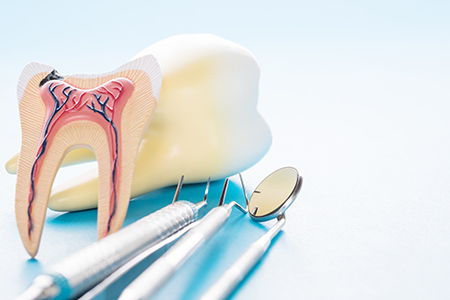
What to expect following root canal treatment
At the office of Aarisha Dental, the care and comfort of our patients are our top priorities. Our goal is to help our patients enjoy optimal oral health and to keep them well informed every step of the way.
After your root canal procedure, you may experience the following:
-
Until the anesthesia wears off
Immediately following your dental visit, you may experience a period of lingering numbness. Normal sensation typically returns within an hour or two. However, until the anesthetic has completely worn off, it’s essential to protect yourself from unintentionally biting or injuring your lips, cheeks, gums, or tongue. Be mindful of chewing, drinking hot beverages, or smoking.
-
Post-procedure discomfort
A root canal procedure will alleviate the pain of a toothache. However, you may still experience some mild to moderate discomfort in the immediate aftermath when the anesthesia wears off. These feelings should subside within days. To help prevent any undue pressure, which may cause pain, the biting surface of the involved may be slightly filed and taken out of occlusion. Our office will also recommend appropriate over-the-counter pain medications and provide a prescription if indicated.
-
Take any antibiotics as prescribed
If you have been given a prescription for antibiotics to treat or prevent an infection, it’s essential to complete the course of medications as prescribed.
-
Be mindful of the involved tooth
Even with a temporary filling, a tooth with a root canal remains vulnerable to stress and can fracture until a permanent crown or suitable permanent restoration is placed. In the interim, be mindful of the involved tooth. Try to chew on the opposite side of the mouth and avoid hard and sticky foods.
-
Continue to brush and floss
While you need to be mindful of a tooth that has received root canal therapy, it’s essential to continue to brush and floss. By maintaining proper oral hygiene, you’re preventing further problems as well as supporting healing and optimal oral health.
-
Get the tooth restored in a timely fashion
To rebuild the strength and integrity of a tooth that has received a root canal therapy, it needs to be restored with a permanent crown or suitable restoration. Until that time, the remaining tooth structure is weak and vulnerable to fracture. The sooner a permanent restoration is placed, the sooner you can bite and chew with confidence and ease.
With proper maintenance and care, a tooth that has been treated with root canal treatment can last a lifetime.
At the office of Aarisha Dental, we’re dedicated to providing the highest quality of care. If you have any additional concerns, continuing discomfort, or signs of an infection, or concerns following your procedure, contact our office for prompt attention and care.
FAQs
+Why have a root canal procedure?
A root canal procedure is the best way to save a tooth that has been damaged by decay or injury and preserve your natural smile. The alternative is an extraction and treatment to replace the tooth. While at times a tooth is non-restorable and an extraction is the only option, when possible, it’s best to try and save your natural tooth. With proper care, a tooth with root canal therapy care can serve your smile well for many years to come.
+Is a root canal procedure painful?
Despite lingering myths from before the age of modern dental anesthesia and technology, having a root canal procedure today is as routine and comfortable as visiting the dentist for a filling. While the procedure is performed under local anesthesia with your tooth completely numbed, we can also discuss options in dental sedation.
+Do I need to have a root canal procedure if I’m not in pain?
Whether the symptoms of a dental infection subside after a course of antibiotics, a draining abscess provides you with some temporary pain relief, or a tooth with radiographic evidence of pathology has not yet developed symptoms, it’s essential, before an infection worsens or occurs, to have a root canal procedure performed. In this way, the tooth can be disinfected, filled, and sealed to protect your health and avoid further problems.
+Do you offer emergency appointments?
If you have sustained a dental injury, have a toothache, jaw pain, swelling, or are experiencing any other unusual and uncomfortable oral symptoms, contact our office immediately for care. Dental problems that have not been evaluated and treated can significantly worsen, producing more severe damage and consequences for the involved teeth, your oral health, and even your overall wellbeing. Once you get in touch with our office, our friendly and compassionate office team will get you in for care at your earliest convenience.
+How long does a root canal procedure take?
While some root canal procedures can be completed in one visit, others may involve 2 or 3 appointments. How long it takes depends on various factors, including active infection, the number of canals in the tooth, and the tooth’s location or anatomy.
+How successful is root canal therapy?
With a success rate that exceeds 95%, root canal therapy remains the most effective procedure to save a tooth in which the inner vital tissues have been damaged. However, as with all healthcare procedures, there are a small percentage of cases where the teeth become symptomatic a second time. The good news is that many of these teeth can still be saved with root canal retreatment or a minor surgical procedure known as an apicoectomy.
+What’s the best way to take care of my tooth root canal therapy?
The best ways to maintain a tooth with root canal therapy are to get the proper restoration required to rebuild and protect the tooth, maintain proper oral hygiene, and schedule appointments for routine dental checkups and care.
+How much does root canal therapy cost, and does dental insurance cover it?
Saving a tooth with root canal therapy is a wise investment that, in the long run, is typically less costly and invasive than having the tooth extracted and replaced with a fixed bridge or implant. As far as the exact cost of care, it can vary depending on which tooth is being treated. Many dental insurance plans provide coverage for root canal therapy. At the office of Aarisha Dental, we do our best to optimize your dental benefits and minimize your out-of-pocket expenses. Our staff answer all your questions about the cost of care and discuss all your payment options.
+Why choose the office of Aarisha Dental?
At the office of Aarisha Dental, we use the latest technology and most effective methods of care to provide precise and gentle care. Our reputation for excellence is based upon a consistent record of achieving successful treatment outcomes while providing prompt, stress-free, and convenient treatment for every type of dental need.
Dental anxiety affects an estimated 30 to 40 million people in the United States. If you are among the many who struggle with fear or anxiety when it comes time to visit the dentist, the office of Aarisha Dental can help. We're dedicated to our patients' care and comfort. We offer safe, controlled sedation techniques to alleviate anxiety and make it easier and less stressful to maintain excellent oral health.
If you have dental anxiety or dental phobia, you may find yourself skipping checkups as well as avoiding getting the care you need. However, letting fear get in the way of dental treatment not only takes a toll on your oral health but can also affect your overall well-being. The good news is that sedation dentistry enables anxious patients and those who have difficulty sitting for treatment the benefits of maintaining optimal oral health. By creating a deep sense of calm and relaxation, dental sedation helps ease any fears and apprehension associated with care.
Don't let fear get in the way of maintaining a healthy, beautiful smile any longer! As skilled and compassionate providers of care, we'll explain the types of dental sedation we offer and answer all your questions throughout the course of treatment. In addition to helping you feel completely at ease, sedation typically makes a lengthy procedure feel like it's over in just a few minutes. Although you'll feel fully relaxed while sedated, you'll still be able to respond to verbal cues from our dentist. You merely won't feel bothered at all by the moment-to-moment details of treatment. We'll inform you if the type of sedation you're receiving requires someone to accompany you to the office and home following treatment.
At the office of Aarisha Dental, we're dedicated to providing the highest quality of skilled and compassionate care. For more information on our office and the many services we provide, give us a call today.
About dental sedation
Sedation dentistry offers individuals with general anxiety about going to the dentist or fears about a specific dental procedure the opportunity to have a stress free and more comfortable experience. By utilizing safe and controlled sedation techniques before a dental procedure, the patient is eased into a state of complete relaxation. This step eliminates any discomfort, pain, and preoperative anxiety that may be associated with a particular dental visit. With sedation dentistry, patients typically feel more at ease post-operatively as they have little or no memory of the actual moment-to-moment dental procedure.
At the office of Aarisha Dental, we are committed to creating a comfortable and caring environment for our patients. While we always use a local anesthetic to thoroughly numb the treatment area so that patients do not feel any discomfort, some individuals may feel they need an additional option to reduce their anxiety and have a more relaxed experience. For these patients who are apprehensive about dental work or a particular procedure, we'll discuss safe and effective options in dental sedation.
Reasons to consider dental sedation
While the reasons for choosing dental sedation can vary, some of the more common explanations include the following:
-
Dental phobia - Sedation dentistry offers an excellent solution for patients whose fear of seeing the dentist is so disabling that they are otherwise willing to forego care.
-
Anxiety about a particular procedure - Sedation dentistry offers patients who feel anxious about specific procedures a more positive and stress-free treatment experience.
-
Extensive dental work - When extensive dental work requires patients to sit in the chair with their mouths open for long visits, sedation dentistry can help ensure greater comfort while making time seem to pass more quickly. Sedation dentistry also offers patients who cannot make multiple trips for care the option of getting more work done over fewer visits.
-
Powerful gag reflex - For patients with a strong gag reflex, it can be as uncomfortable for the patient to tolerate care as it is difficult for the dentist to provide it. With sedation, the patient is comfortable, more relaxed, and can tolerate treatment without gagging.
-
Sensitive teeth and gums – Even if the work does not involve a particular tooth or area of the mouth, for patients with hypersensitive teeth and gums, getting dental treatment with instruments, suction, a water spray, and other stimuli can feel terribly uncomfortable. In these cases, dental sedation can help provide a much more comfortable treatment experience.
-
Difficulty sitting for dental work – In addition to dental anxiety, it may be difficult for some young children or patients with disabilities, special needs, cognitive impairment, or certain medical conditions to sit still for dental care. Dental sedation enables the delivery of care to provide routine treatment and alleviate dental problems to maintain optimal oral health.
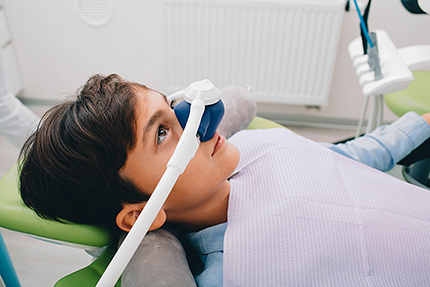
What are the options for dental sedation?
At the office of Aarisha Dental, we provide skilled, experienced care that's tailored to the individual needs of each patient. Our dental team strives to make every visit to our office a positive and informative experience. Depending on a patient's specific needs and relevant medical history, we'll discuss the most appropriate method of dental sedation and the services our office provides.
The difference between conscious sedation and general anesthesia
It's essential to understand the difference between the methods of conscious sedation performed in a dental office and general anesthesia provided in a hospital setting. For most patients that choose or require dental sedation, conscious sedation will suffice.
With conscious sedation, a patient experiences greater comfort and relaxation during a dental procedure while remaining aware of verbal commands and responsive to specific stimuli. Breathing is unassisted and cardiovascular function remains stable. On the other hand, general anesthesia puts patients in a deep state of sleep where they are not responsive to stimuli. General anesthesia is reserved for patients who cannot tolerate the provision of care with any other form of sedation and is administered by an anesthesiologist in a hospital setting.
Conscious sedation in the dental office
Every patient is unique. The method of conscious sedation selected depends on a patient's specific needs, relevant medical history, and the extent of required dental work.
While all types of conscious sedation allow the patient to relax and feel comfortable during a dental procedure, the level of sedation differs depending on which of the following methods is employed.
-
Inhalation sedation (Nitrous Oxide or “Laughing Gas”)
Commonly referred to as "laughing gas," nitrous oxide is used as a mild sedative to reduce anxiety and facilitate relaxation during dental procedures. It's inhaled through a small mask over the nose and administered for optimal safety in combination with oxygen. Used for the duration of a dental procedure, nitrous oxide gets turned off as work comes to an end. Once the laughing gas gets turn off, the effects wear off very quickly, and the patient returns to a state of complete awareness. Beyond addressing mild to moderate anxiety levels, inhalation sedation can help reduce gagging in patients with a strong gag reflex.
-
Oral Sedation
Oral sedation offers a relaxed and comfortable experience with little to no anxiety. With this method, patients are given a prescription for an oral medication before their appointment. When taken at the recommended time before their visit, this medication allows patients to feel entirely relaxed by the time their procedure begins. With oral sedation, a patient must have an escort on the day of the procedure to drive them to and from the dental office.
-
IV Sedation
IV Sedation involves a sedative that is administered intravenously or directly into a vein. It is indicated when more profound sedation is required. This type of sedation starts to work very quickly and can get readily modified to regulate the patient's state of consciousness as well as continued for as long as the procedure requires.
IV Sedation requires an empty stomach. Patients receiving this type of sedation will be instructed how many hours in advance of their surgical procedure they should stop eating or drinking. In addition to this, patients receiving IV sedation will need to have an escort present for the appointment and on hand to drive them home when the visit is completed.
Sedation Dentistry FAQs
+What is sedation dentistry?
Sedation dentistry offers patients with general anxiety or fears about a dental procedure the opportunity to have a more comfortable and stress-free experience. By utilizing safe and controlled sedation techniques, the patient is eased into a state of complete relaxation before the procedure. This approach eliminates discomfort, pain, and preoperative anxiety and typically makes patients feel more at ease post-operatively, as they have little or no memory of the actual moment-to-moment procedure.
+What is the difference between local anesthesia and dental sedation?
Local anesthesia involves an injection directly into or close to the area where a procedure is being performed. While it eliminates any sensation of pain in the targeted area, it does not affect your state of mind or level of anxiety. When a patient receives sedation, additional medications to ease anxiety and promote relaxation are employed in advance of local anesthesia. In this way, both the stress and discomfort associated with a procedure are eliminated. Sedation can be administered in various forms based upon patient needs and the dentist or dental anesthesiologist's recommendations.
+What are the different types of dental sedation?
Choosing the most appropriate sedation method for a procedure depends on a variety of factors such as a patient's medical history and their level of anxiety. Dental sedation can come in the form of nitrous oxide sedation, oral conscious sedation, and IV sedation. Certain patients receiving comprehensive treatment or undergoing a complicated surgical procedure may require general anesthesia in a hospital setting.
+Am I a candidate for dental sedation?
It's no secret that patients who feel at ease during dental visits are more likely to pursue the care they need. If you experience significant anxiety about trips to the dentist or a particular procedure, dental sedation offers a solution for keeping your smile in tip-top condition while experiencing a more relaxing and stress-free visit. At the office of Aarisha Dental, we're sensitive to our patients' needs and dedicated to ensuring their comfort. Based on your level of anxiety, your medical history, and the dental treatment that's required, we'll explain your options in dental sedation and help you select the safest method that's right for you.
+Is dental sedation safe?
Sedation dentistry offers a safe and effective way to provide the required dental care while reducing a patient's anxiety and ensuring optimal comfort. Before a type of dental sedation gets recommended, all factors, including a patient's medical history, level of anxiety, dental needs, and other relevant factors, are carefully reviewed. Every method of sedation is provided and supervised by a qualified, trained dentist or physician and administered in the appropriate setting.
+Does dental insurance cover the cost of dental sedation?
Keep in mind that it's always wise to invest in your smile and prevent bigger and more costly problems down the road. While many insurance plans do not typically cover sedation dentistry, it may be approved if a patient has a disability or medical condition that makes it impossible to receive care otherwise. General anesthesia might also be covered when it's a medical necessity to have treatment.
It's always best to contact your insurance provider for clarification and an exact explanation of your dental benefits and coverage. At the office of Aarisha Dental, our goal is to help patients get the care they need without additional stress or delay. We're happy to answer all your financial questions and discuss all your options for getting the care you require.
+Why choose the office of Aarisha Dental?
At the office of Aarisha Dental, patient care and comfort are our top priorities. We take pride in offering a comprehensive range of advanced services while providing precise, gentle treatment and stress-free solutions for all of your dental healthcare needs. We're dedicated to providing the highest quality of skilled, compassionate care. You can feel confident that your smile is in the best of hands with us. To learn more about our office, or schedule an appointment to begin care, give us a call today.
The Science Behind Spark
Spark aligners are made with TruGEN™, the latest innovation in clear aligner material. Spark aligners are more clear, more comfortable, stain less and designed for more efficient and effective tooth movement, compared to the leading aligner brand.
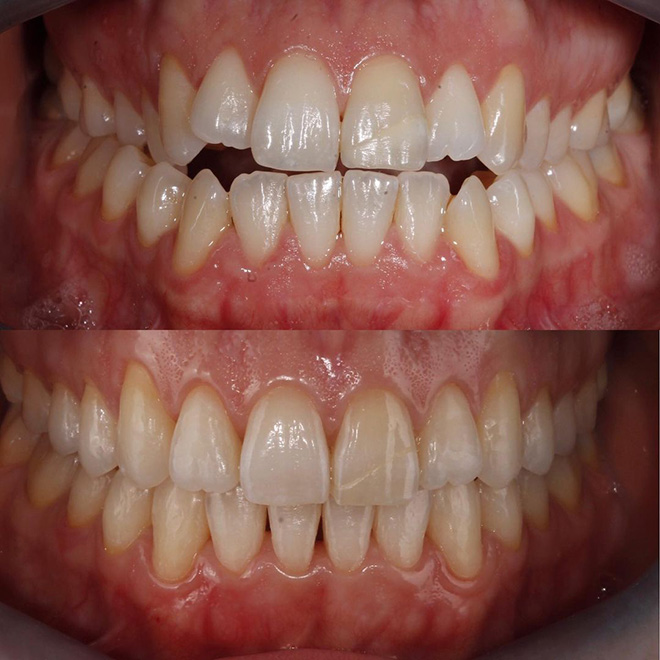
Spark Difference
100% of Spark patients would recommend Spark to a friend.*
Compared to the leading aligner brand, Spark is:
- More Clear
- More Comfortable
- Stains Less
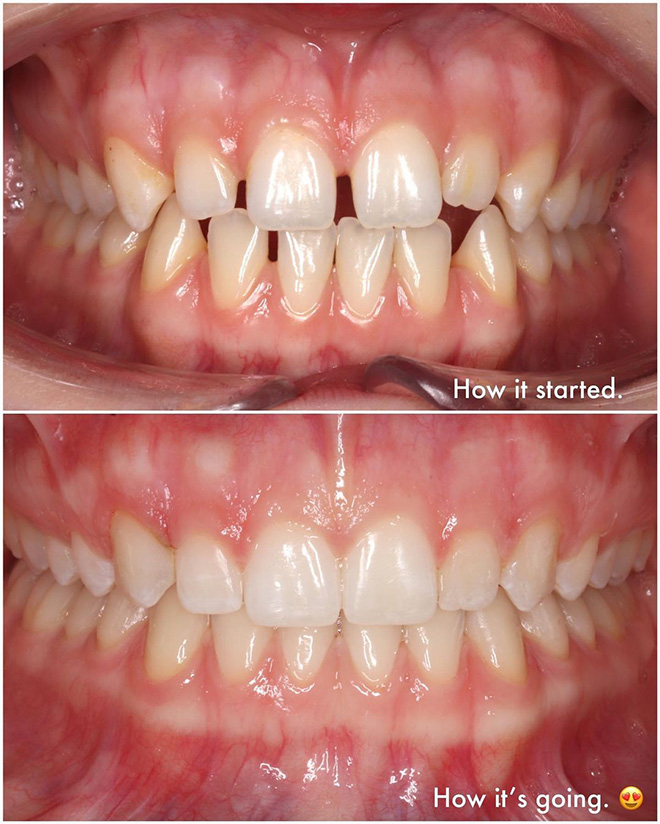
Every year millions of cases of dental and facial injuries occur as the result of sport-related trauma. While all sports have some risk of oral injury, it is especially prevalent in recreational activities that involve frequent body contact with other players or the ground, as well as the possibility of being struck by other objects such as, balls, bats, or sticks.
One way to significantly reduce the risk of damage to your teeth, cheeks, lips, tongue, face, or jaw as the result of a sports-related injury is to wear a mouthguard. A mouthguard is a removable appliance made of a sturdy plastic that sits comfortably over your teeth. Typically, mouthguards are designed to cover just the top teeth but may also be fabricated to include the lower teeth as well depending on your particular situation. Individuals who wear braces or have some types of dental work may require a specific type of mouthguard that provides more coverage.
There are three types of sports mouthguards on the market, including pre-formed and ready to wear stock mouthguards, boil and bite mouthguards, and custom mouthguards fabricated by your dentist. Our office will help you to select just the right sports mouthguard to protect your smile. While the first two choices offer some level of protection, the best and most comfortable mouthguards to safeguard your smile are the ones individually designed and customized by your dentist.
Improving the appearance of your smile can make a difference in your confidence and overall quality of life. At the office of Aarisha Dental, we provide experienced care, skillfully combining the art and science of dentistry to give patients teeth that are as beautiful as they are healthy.
If your teeth appear dull, drab, discolored, or stained, don't despair. Thanks to advances in cosmetic dentistry, you too can enjoy the benefits of a beautiful smile. With a teeth whitening procedure from our office, we can quickly and dramatically lighten and brighten your smile.
You can rest assured your smile in the best of hands with us. We use the latest generations of professional strength teeth whitening systems to transform the appearance of your teeth and give you a smile that's several shades lighter, brighter, and more vibrant than before your procedure.
Personalized care to achieve your cosmetic goals
As dedicated providers of care, our goals are to help every patient maintain good oral health and wear their best-looking smile. We tailor treatment to address individual needs and meet every patient's expectations of care.
After examining your smile and determining if a teeth whitening procedure is suitable for you, we'll recommend the best in-office procedure or a take-home whitening system to achieve your cosmetic goals.
Factors that influence the color and vibrancy of your smile
How white your teeth look depends on how they reflected and scattered light. Although external staining is typically due to certain foods, beverages, or tobacco use, internal tooth discoloration is usually the result of genetics, certain medications, tooth decay, restorations, and trauma. Aging also plays a significant role in tooth color. Over time, as the outer layer of enamel thins, the yellow inner layer of dentin becomes more apparent.
About teeth whitening
Teeth whitening or bleaching simply refers to any process that will make the teeth appear whiter. Today, there's an abundance of choices in teeth whitening products and procedures available to you. Options run the gamut from over-the-counter toothpastes, rinses, strips, or gels to professionally supervised in-office treatments and customized take-home kits.
With so many choices in care, how do you know which one to select? Despite the many over-the-counter products on the market today, it's essential to keep in mind that the premiere teeth whitening systems are the professional-strength ones provided by the dentist. Not only do these whitening systems offer a higher concentration of whitening components than the ones available in stores or online, but they also get delivered to the teeth in the safest, most effective, and well-supervised way.
While you may be tempted to purchase a kit in the drugstore or online, be careful. Some over-the-counter teeth whitening products can damage the teeth and soft tissues in the mouth. Even though many work when healthy teeth and gums are present, they may be ineffective or problematic when sensitive teeth, exposed roots, cavities, broken fillings, cracked teeth, or loose dental work exist.
How does a teeth whitening procedure work?
Whitening products typically fall into one of two of the following categories:
- Peroxide-containing bleaching agents.
- Whitening toothpastes or dentifrices.
Under the category of peroxide containing bleaching agents, most whitening systems contain either carbamide peroxide or hydrogen peroxide as the active ingredient. While both can readily permeate the enamel to achieve pleasing results, the concentration of either one of these ingredients determines the strength, effectiveness, and safety level of the whitening system.
Teeth whitening systems rely on a chemical reaction between the bleaching agent and the discolored molecules. As the latter get oxidized, the stains and discoloration get broken up and erased.
Considerations in care
At the office of Aarisha Dental, we combine the art and science of dentistry to create beautiful and healthy smiles. We value your investment and provide treatment that supports good oral health while fulfilling your smile goals and expectations of care. We offer a range of advanced cosmetic dental services and will help you choose the option that's right for your smile.
While teeth whitening procedures in most cases produce highly satisfying results, not every type of stain or discoloration responds well to one. First of all, a teeth whitening procedure only works on natural teeth and does not change or improve the color of dental fillings, crowns, or bridges. It should also be mentioned that just as individuals with yellow tones to their teeth typically respond well to a teeth whitening, brown and grayish teeth can respond less well and may require more intensive whitening regimens or alternative cosmetic treatments. Furthermore, a teeth whitening procedure may not be recommended in the presence of sensitive teeth, worn enamel, and significant gum disease.
You can trust us to take a close look at your smile and advise you if a teeth whitening is right for you, or if another cosmetic procedure offers healthier and better results.
What to do and what to expect after a teeth whitening procedure
-
Watch what you eat and drink
Maximizing the benefits of a teeth whitening procedure involves being mindful of what you eat and drink. This guideline is especially true for the first 48 hours following an in-office treatment. The reason is the ultra-thin, membranous protective layer of the tooth that was temporarily removed as a result of the whitening procedure takes a couple of days to reestablish itself.You can protect the results by avoiding deeply colored foods and beverages that can stain your teeth!
Refrain from drinking coffee, red wine, dark soft drinks, and teas. Stay away from fruits like berries and grapes, and chocolate products as well as other foods that are darkly colored.Feel free to eat and drink foods with a low potential to stain your teeth!
Beverages such as water, milk, white wine, and clear soft drinks are okay. Eating fruits such as a banana or peeled apple are fine. Cheeses, as well as white foods like chicken, fish, pasta, oatmeal, potatoes, and bread prepared without red sauces or dressings, are acceptable as well. -
Avoid Smoking
Smoking stains and yellows your teeth under the best of circumstances. If you are a smoker and have just had your teeth whitened, it's a good idea to refraining from the habit for at least the first couple of days. Of course, smoking less frequently after that or quitting the habit altogether not only benefits the appearance of your smile but also your oral health and overall well-being. -
Some sensitivity is normal.
You may experience some sensitivity to cold and hot for a couple of days. This discomfort typically subsides. We recommend taking over-the-counter pain medication just as you would for a headache. Using toothpaste designed for sensitive teeth may also be helpful. -
Treatment Results
While teeth whitening procedures provide satisfying outcomes of care, it's essential to keep in mind that results vary from patient to patient. Both short-term and long-term results are influenced by the original shade of the tooth, diet, and oral habits.Also, as explained before treatment, teeth whitening procedures do not change the color of existing fillings, crowns, bridgework, or dental bonding. If this issue presents an aesthetic concern, we can discuss replacing a restoration.
-
Keeping your smile bright
Maintaining the results of treatment also rely upon proper oral hygiene and routine dental care. We'll also discuss a take-home whitening system if any periodic touch-ups are indicated following the procedure or down the road.
At the office of Aarisha Dental, we're dedicated to providing the highest quality of care. If you have any additional questions or concerns about your teeth whitening procedure, feel free to contact our office.
Teeth Whitening FAQs
+What's the best way to whiten my smile?
While an overwhelming selection of over-the-counter teeth whitening products is readily available for purchase at stores or online, it's imperative to keep in mind that the healthiest and most effective methods of care are those professionally supervised by your dentist. With a teeth whitening procedure provided by our office, we can safely, comfortably, and effectively transform your smile by up to several shades in a short amount of time.
+How does a teeth whitening work?
Teeth whitening offers a simple and non-invasive to whiten and brighten your smile. Whitening products contain various strengths of biologically safe hydrogen peroxide or carbamide peroxide that act as bleaching agents on stained or discolored dental enamel. By breaking the stains into smaller pieces, these bleaching agents make the color less concentrated and your teeth brighter.
+Is teeth whitening painful?
Every patient is different, and despite the fact that many people experience no sensitivity or pain with a professional teeth whitening, there are some that do. Although considered a minimally invasive cosmetic procedure, some temporary discomfort during and following the procedure may ensue. It helps to stick to room temperature beverages for a few days following a teeth whitening. You can also take over-the-counter pain medication as you would for a headache. If you have a history of sensitive teeth, we may select a gentler formulation of whitening products or an alternative procedure.
+Does a teeth whitening procedure work for all types of stains and discolorations?
It's essential to keep in mind that every patient has unique needs and specific requirements of care. In general, individuals with yellow tones to their teeth respond best to teeth whitening. Brown and grayish tinted teeth bleach respond less well and may require significantly longer dentist-supervised tooth whitening regimens or alternative cosmetic treatments. Finally, teeth whitening may not be recommended in the presence of sensitive teeth, worn enamel, and significant gum disease.
+What if my teeth are darkly stained?
For darkly stained teeth, a whitening procedure may not provide the cosmetic results desired. In these cases, we'll talk about alternative options such as porcelain veneers or full-coverage crowns.
+Will a tooth whitening procedure work on crowns, veneers, bonding, or tooth-colored fillings?
Teeth whitening only works on natural teeth. The fact that whiteners do not affect the color of existing dental fillings, veneers, bonding, crowns, or bridges on the front teeth remains an important consideration when choosing the best cosmetic option in care.
+Is teeth whitening safe?
As a rule, the healthiest and most effective methods of teeth whitening are the ones managed and supervised by your dentist. You can count on our office to provide the most effective, safest, and satisfying professional-strength options to whiten, brighten, and lighten your smile! Stay away from over-the-counter products, which may be overly abrasive or put the health of your teeth and the surrounding soft tissues at risk. While these products may work when healthy teeth and gums are present, they're often ineffective or problematic when sensitive teeth, exposed roots, cavities, broken fillings, cracked teeth, or loose dental work are the case.
+How long do the results of teeth whitening last?
How long your teeth whitening lasts depends on your lifestyle. Your eating, drinking, and smoking habits can have a significant impact on maintaining your result. Of course, the best way to ensure that your smile stays healthy and beautiful is a good daily oral healthcare regimen, along with regular dental checkups and cleanings.
+Does dental insurance cover teeth whitening procedures?
It's essential to keep in mind that as a cosmetic dental procedure, a teeth whitening may not be covered by your insurance plan. We understand the financial considerations involved in care and do our best to help you get the treatment you need without any additional stress or day. We offer several payment options and financing plans to make things easier.
+Why choose the office of Aarisha Dental
At the office of Aarisha Dental, we want every patient to enjoy the benefits of a smile that is as beautiful as it is healthy. In addition to offering a comprehensive range of advanced services to keep your smile in tip-top health, we also provide leading-edge cosmetic solutions to transform less-than-perfect-looking teeth into ones that dazzle.
As the most recognizable expression and the universal sign of happiness, a beautiful smile is an important asset. Studies show that an attractive smile can boost your self-confidence, contribute to your overall well-being, and help make a positive impression on everyone you meet.
Transforming Smiles With Porcelain Veneers
If your front teeth are stained, discolored, chipped, worn-down, misshapen, a little gapped, or slightly misaligned, you're not alone. According to statistics, more than one-third of adults in the United States are dissatisfied with the appearance of their smiles. Cosmetic imperfections may be due to genetics, excessive wear and tear on the teeth, the aging process, dietary choices that stain the dental enamel, smoking, or as a side effect of certain medications.
In some cases, if the imperfections are minor ones, a teeth whitening procedure or cosmetic bonding may be all it takes to create a more perfect-looking smile. However, darker dental stains, discolorations, and more significant flaws involving the size, shape, and alignment of the teeth, are sometimes better addressed with porcelain veneers.
At the office of Aarisha Dental, we recognize that every smile is different and tailor treatment to address individual needs and expectations of care. Whether your smile is best served by the fabrication of dental veneers or another cosmetic dental procedure we provide, you can count on our office for the latest, most effective, pleasing, and healthy solutions for your smile.
What are dental veneers?
One of the most conservative yet highly effective and aesthetically pleasing ways to transform the appearance of imperfect looking teeth is the fabrication of dental veneers. Fully customized to the exact specifications of your smile and the cosmetic corrections required, veneers are ultra-thin facings, seamlessly bonded to the fronts of the involved teeth.
This versatile and minimally-invasive cosmetic procedure conceals a range of imperfections to dramatically improve the look of teeth that are misshapen, exhibit minor chips, enamel defects, or stains. They also provide an excellent solution for closing small gaps as well as addressing other minor alignment issues.
Among the chief benefits offered by veneers are that they require little to no preparation of the underlying tooth and offer a relatively quick way to achieve long-lasting and pleasing results. And because they are ultra-thin, veneers preserve the maximum amount of natural tooth structure and are kind to the tissues along the gumline.
With veneers, your smile looks naturally beautiful.
Whether you're looking to improve the appearance of a single front tooth or multiple ones, dental veneers can turn a less-than-perfect smile into one that appears naturally beautiful and flawless.
Your veneers are fabricated from the highest quality of dental-grade porcelain to recreate the natural translucency of healthy tooth enamel. Since porcelain reflects light in much the same way as dental enamel, veneers produce a vibrant, flawless, and naturally beautiful-looking smile.
From preparation to taking an impression and placement, the entire process of getting dental veneers only takes a few visits. Furthermore, even though a veneer is fragile to handle before placement in the mouth, once it gets bonded to the underlying tooth, it becomes quite strong and durable. With proper oral hygiene and care, you can maintain your new veneers for many years to come.
At the office of Aarisha Dental, we successfully combine the art and science of dentistry to create healthy, beautiful smiles. We've helped many patients enhance the look of their smiles and feel confident we can do the same for you.
What to expect when getting veneers
-
Initial consultation and care
The process of getting dental veneers begins with a consultation and thorough assessment of your dental health, oral function, and smile aesthetics. We'll also discuss your smile goals and treatment expectations. Although getting veneers is a relatively quick process, it's essential to address any periodontal problems or cavities in the involved teeth before your new veneers get fabricated.
-
Tooth preparation and Impression taking
While the amount of tooth preparation varies, depending on the unique requirements of the case and the type of porcelain veneer, the removal of tooth structure from the front and sides of the tooth is typically quite minimal. It's just enough enamel for the ultra-thin facing to look most natural and remain sturdy and strong when placed.
Once the teeth are prepared, an impression gets taken, and an appropriate shade of porcelain is selected, your new veneers are ready for fabrication. Porcelain veneers are most often sent out to a dental laboratory for custom fabrication. For the short time it takes the permanent ones to come back from the lab, attractive temporary veneer facings cover the teeth.
-
Fitting and placement
When your veneers are ready, it's time to check their fit, size, shade, and shape. Prior to getting affixed to the teeth, any adjustments to ensure a precise fit and optimal aesthetics are made. At this time, we'll also confirm that you're pleased with the look of your new smile. Once fitted and approved, the involved teeth are then cleaned, and the veneers are permanently bonded in place with composite resin cement. Following placement, any further adjustments or minor refinements are performed as needed.
Veneers FAQs
+Will I need a veneer or a crown?
Determining if a veneer is suitable or a full-coverage crown is required depends on the extent of the tooth's defects and the remaining amount of healthy tooth structure. For teeth with imperfections that cannot be remedied with a teeth whitening procedure, dental veneers often provide the desired cosmetic improvements. However, a significantly undersized, misshapen, chipped, or darkly stained tooth usually requires a full coverage crown.
+Do veneers look natural?
Porcelain veneers are fabricated from the highest grade of dental ceramics, which reflect light in much the same way as the enamel of natural teeth. In addition to this feature, dental porcelain is resistant to stains and discolorations, keeping your smile white and vibrant for years to come.
+How long do dental veneers last?
Porcelain veneers are ultra-thin customized facings that become strong and durable once bonded to the underlying teeth. With proper hygiene and routine dental care, veneers provide a cosmetic solution that not only looks and feels completely natural but is also long lasting.
However, just as harmful oral habits can affect your natural teeth, they can also cause damage to your veneers. To prevent chipping, cracking, or dislodging a veneer, avoid nail biting, chewing on hard candies, ice, pens, or pencils, and opening bottles or other objects with your teeth. Also, remember to protect your smile on the playing field by wearing a properly fitted sports mouthguard.
Tooth grinding or bruxism is another important consideration in care. If you clench or grind your teeth, you may need to wear a night guard to help protect your new smile or discuss other options with our office.
+How many veneers will I need?
As versatile as they are beautiful, dental veneers can be applied to a single tooth in need of cosmetic improvement or multiple front teeth to dramatically improve the look of your smile. Whatever the case may be, dental veneers provide highly satisfying results to create a smile; you'll feel confident sharing with the world.
+Can veneers address more than one cosmetic problem?
Among the many benefits offered by dental veneers is their ability to mask a range of imperfections at once. In addition to covering stains or discolorations on the front surface of a tooth, the size and shape of a veneer can also be customize to improve the tooth's contours and dimensions. At the same time veneers create a whiter and more vibrant smile; they can also lengthen or widen a tooth, close minor gaps, and address other minor alignment issues.
+Are there different types of veneers?
The two most common types of veneers are porcelain veneers, also known as porcelain laminates, and composite veneers. Although porcelain veneers are the most commonly offered option in care, composite veneers fabricated directly on the tooth can also achieve excellent results. You may have also heard the term no-prep veneer. It refers to a type of porcelain veneer that requires little to no preparation of the underlying dental enamel. At your consultation visit, we'll discuss your best options in care.
+With dental veneers, can I clean my teeth as before?
Once they're in place, your veneers are also easy to care for and maintain. Simply by brushing, flossing, and visiting our office for periodic checkups, you can successfully protect and preserve your new and beautiful smile.
+How much do dental veneers cost?
Although certain procedures that are considered cosmetic may not be covered by dental insurance, veneers remain a worthwhile investment in your smile. Based on the unique considerations of each case, we develop treatment plans that consider specific dental needs, cosmetic goals, and budget. Our experienced and friendly office staff can address all your insurance questions and review various payment and financing options.
+Why choose the office of Aarisha Dental?
At the office of Aarisha Dental, we value patient input and pay close attention to your treatment goals, concerns, and expectations in care. When it comes to cosmetic dentistry, we recognize that every smile is unique and never take a “one size fits all” approach to care. We utilize the most advanced diagnostic technology and treatment methods to assess your smile and to design your porcelain veneers for a precise fit and optimal aesthetics.
As experienced providers of care, we provide highly personalized treatment, combining state-of-the-art technology with an artistic touch to produce long-lasting and aesthetically pleasing results of care.
